

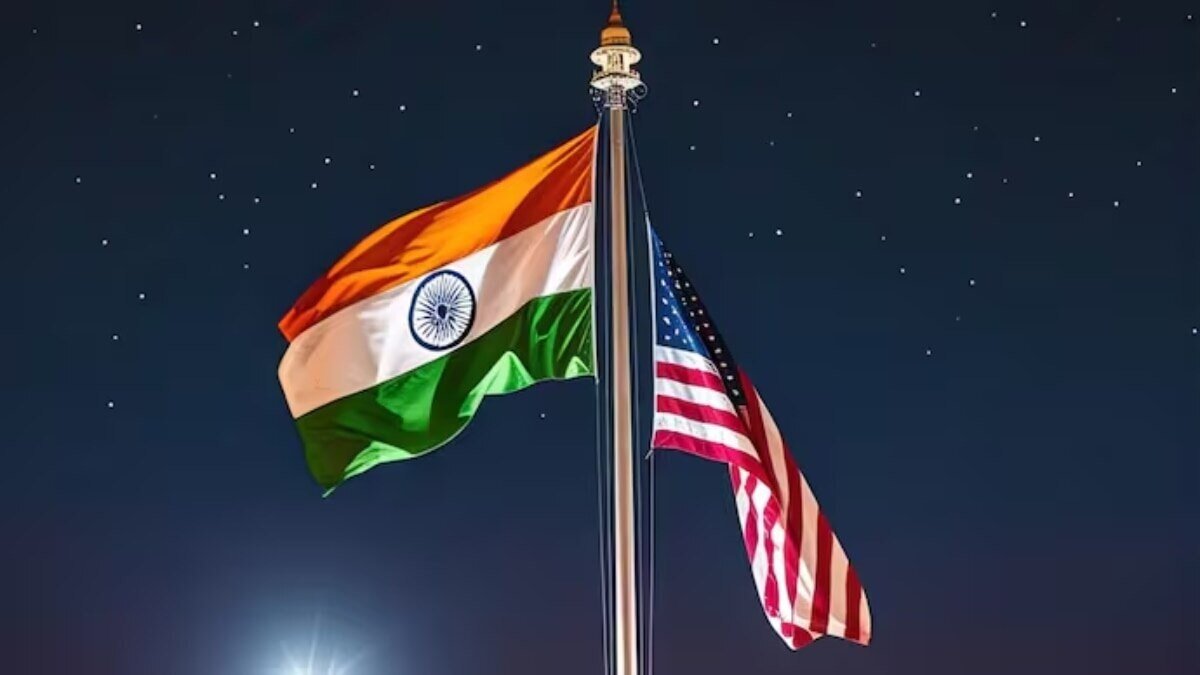

India–US trade negotiations have shown signs of progress after a period of stagnation. Recent developments in India’s energy supply chain indicate a shift in the dynamics.
The reduction in Russian oil imports, a major point of contention with the US, has been notable. Data on tanker movements reveals a significant drop in arrivals, down to around 9.48 lakh barrels per day in November from the previous month’s volume.
Refineries in India are adjusting their procurement strategies in response to US sanctions on Russian suppliers, aiming to mitigate potential disruptions. Industry experts believe these adjustments could pave the way for advancements in the broader India–US trade pact.
While the transition away from Russian crude comes at a cost, estimated by Kpler to potentially raise India’s annual oil import expenses by $3–5 billion, possibly escalating to $7–11 billion in adverse scenarios, the move signifies a strategic realignment. A report by CLSA indicates that India had been saving approximately $2.5 billion annually from the cheaper Russian oil, highlighting the economic impact of the shift.
In a significant move towards diversification, India has inked a long-term contract to import 2.2 million tonnes of LPG from the US Gulf Coast for 2026, representing a substantial portion of its yearly LPG imports. Concurrently, crude oil imports from the US have surged to the highest levels in almost three years, underscoring efforts to reduce dependency on a single supplier.
The recalibration in energy sourcing has not gone unnoticed in Washington. Despite tariff escalations on Indian exports, recent developments indicate a nuanced approach from both sides, emphasizing managed pressure rather than a breakdown in negotiations.
Commerce Minister Piyush Goyal remains optimistic about the ongoing talks, hinting at potential positive outcomes once a balanced agreement is reached, without specifying a timeline. The softened rhetoric from the US aligns with India’s strategic energy moves, reflecting a willingness to negotiate on both ends.
Amid ongoing negotiations, officials are addressing customs, certification, digital, and service-related issues behind the scenes. While challenges persist, particularly in areas like professional mobility, digital regulations, intellectual property rights, and agricultural trade, the evolving energy landscape is facilitating a conducive environment for discussions.
The gradual shift in the energy sector is reshaping the trajectory of the trade deal, reducing political barriers and fostering progress in other key areas. The coming months will be crucial in determining the extent to which these strategic maneuvers can drive the trade negotiations forward, emphasizing a long-term rebalancing rather than short-term reactions.
Despite appearing stalled on the surface, the India–US trade agreement is quietly taking shape in the background, with each incremental step contributing to a more stable and predictable trade environment.