

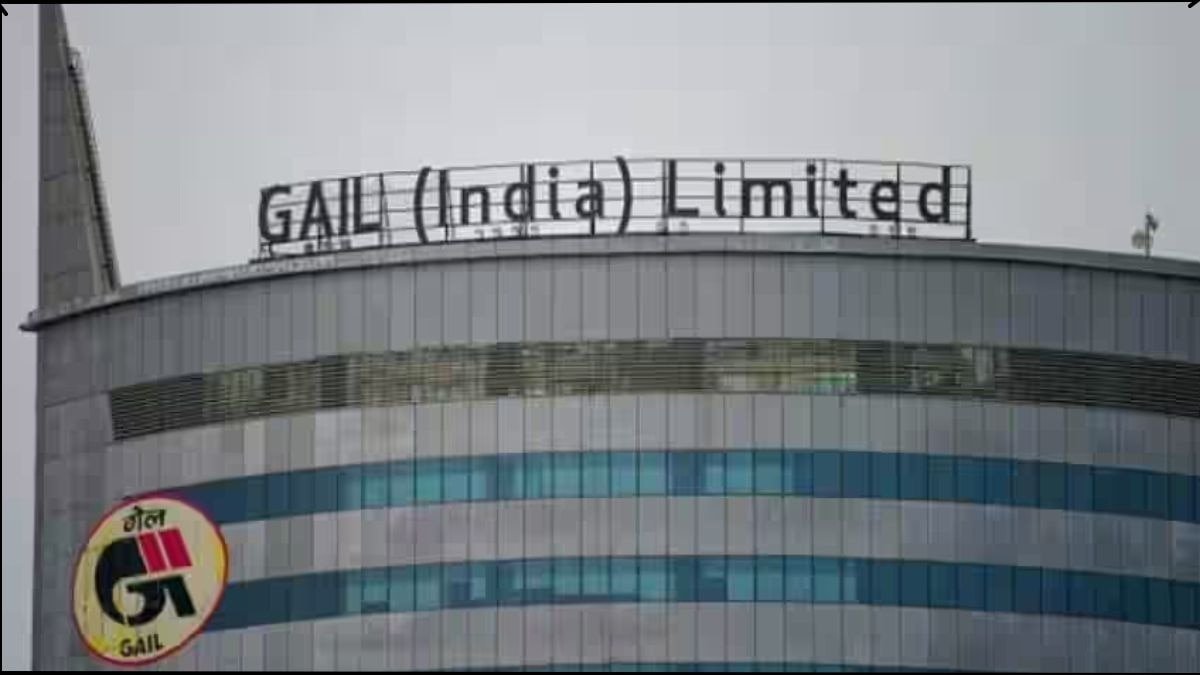

Shares of GAIL (India) experienced a significant decline during early trading hours on Friday following the approval of a lower-than-anticipated increase in pipeline tariff by the Petroleum and Natural Gas Regulatory Board.
The stock plummeted by 6% initially and was subsequently down by 5.32% at Rs 174.03 on the Bombay Stock Exchange around 9:56 am. The regulatory board increased the integrated pipeline tariff to Rs 65.69 per mmBtu from Rs 58.60, which was notably below GAIL’s requested amount of Rs 78 per mmBtu. The revised tariff is set to take effect from January 1, 2026, rather than the initially proposed date of January 1, 2025.
The next comprehensive tariff review is scheduled for April 1, 2028. During March 2025, Chairman Sandeep Kumar Gupta disclosed that GAIL had anticipated a potential up to 35% surge in the integrated pipeline tariff, which could significantly enhance the company’s annual pre-tax earnings by approximately Rs 3,400 crore. Gupta emphasized the necessity for tariff revisions considering the expanded pipeline network and escalating operational expenses, revealing that the company had submitted updated information to the regulator and requested a tariff of Rs 78 per mmBtu.
Analysts had long argued for a tariff increase to support GAIL amidst fluctuations in its trading and petrochemicals sectors. In response to the approved hike, Citi pointed out that the 12% increase fell short of its estimated 15% rise and was substantially below GAIL’s 33% proposal. The brokerage mentioned that the interim increase was chosen by the regulator to mitigate immediate consumer impact and indicated a reassessment of remaining parameters in FY28.
Moreover, Citi speculated that the announcement might hasten the adoption of the unified tariff regime, benefiting IGL. UBS expressed disappointment with the hike, highlighting that the 12% rise might not directly translate into corresponding gains in realized tariffs as only select components were adjusted. The brokerage also noted the regulator’s decision to defer a full tariff review to FY28 to prevent a sudden steep increase that could burden customers unexpectedly.
It is important to note that the opinions and suggestions presented in this article are those of the experts and brokerages and do not necessarily reflect those of the India Today Group. It is advisable to seek guidance from a qualified broker or financial advisor before making any investment decisions.