

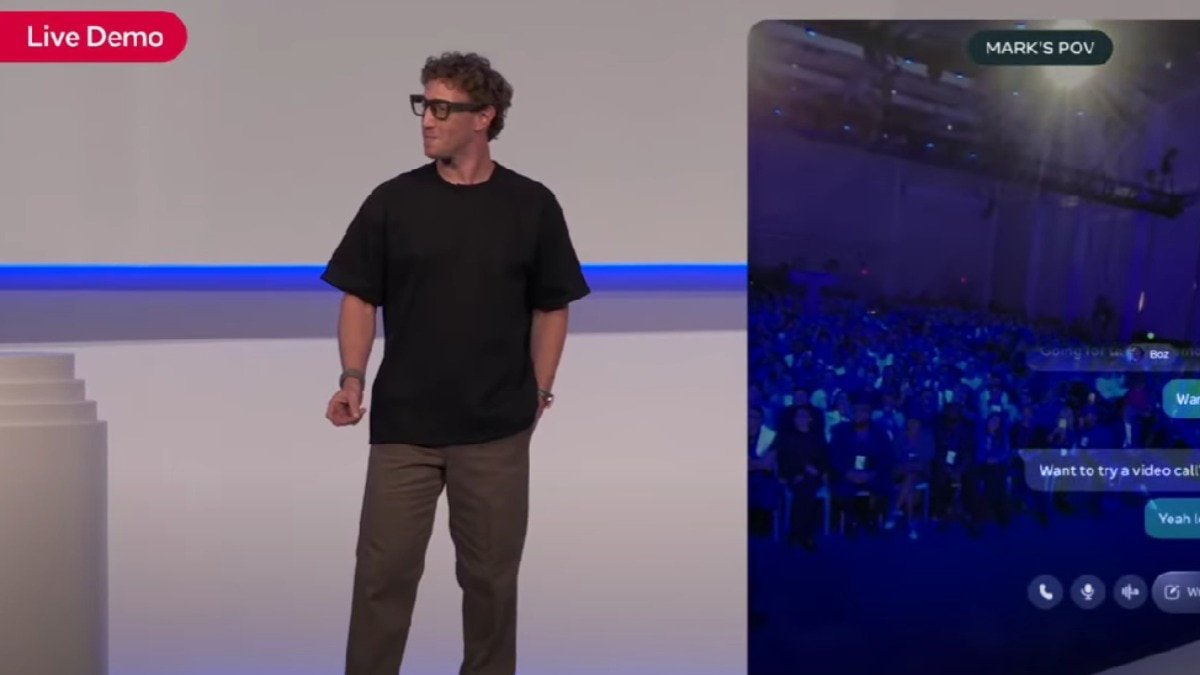

Meta is shifting its focus away from the metaverse, as CEO Mark Zuckerberg plans to reduce the company’s metaverse budget by up to 30%. This move indicates a significant strategic pivot towards artificial intelligence and wearable technology. After heavily investing in Horizon Worlds and Quest headsets for years, Zuckerberg seems inclined to prioritize algorithms over avatars.
Reports from Bloomberg reveal that Meta executives have discussed substantial funding cuts within the Reality Labs division, which houses the company’s metaverse aspirations. These cuts, expected to commence early next year, may also lead to job reductions across teams involved in virtual and augmented reality projects.
Investors have responded positively to this news, with Meta’s shares surging by as much as 7% in early New York trading and ultimately closing 3.4% higher, boosting the company’s market value by nearly $60 billion. This shift is seen as a welcome move by Wall Street, signaling Zuckerberg’s willingness to exercise financial discipline after years of metaverse expenditure yielding limited results.
A Meta spokesperson confirmed the redirection of investment from the metaverse towards AI glasses and wearables within the Reality Labs portfolio. This move aligns with the growing momentum in the AI sector. Meta has recently established a new design studio in Reality Labs, focusing on developing cutting-edge smart devices that merge hardware with AI. The recruitment of Alan Dye, former head of interface design at Apple, underscores Meta’s heightened commitment to AI wearables.
Zuckerberg’s keen interest in AI wearables has intensified, with the vision that AI-powered glasses will eventually replace smartphones, becoming the central hub for what he terms “personal superintelligence”. Meta’s collaboration with EssilorLuxottica on Ray-Ban smart glasses has been a standout success within Reality Labs, integrating Meta AI for hands-free interaction and real-time translation, indicating a strategic shift in computing trends.
Despite Zuckerberg’s initial vision of a vibrant metaverse when rebranding Facebook to Meta in 2021, technical challenges, safety issues, and lack of consumer interest have hindered progress. The Reality Labs division has incurred substantial losses, exceeding $70 billion since 2021, making it one of Silicon Valley’s costliest ventures.
While Meta has invested heavily in AI infrastructure and talent to power various applications, including chatbots and recommendation engines, the shift towards AI has not been without challenges. A recent announcement of increased AI spending in 2026 led to a significant drop in Meta’s stock value, reflecting investor concerns.
Nonetheless, Zuckerberg remains resolute in his belief that AI glasses and wearables represent the future bridge between physical and digital realms, unburdened by metaverse hype. As Meta’s focus shifts towards AI, it marks a clear transition where AI ambitions overshadow the diminishing significance of the virtual world by the end of 2025.