

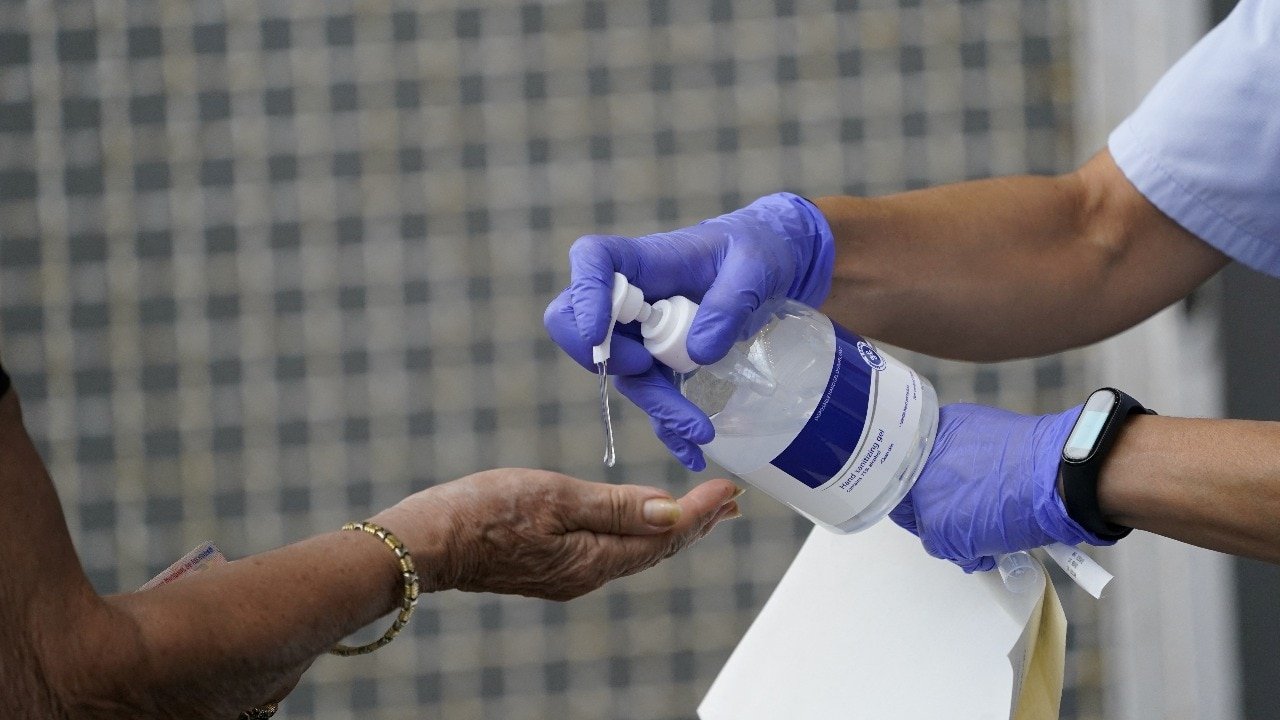

The European Union is deliberating on categorizing ethanol as a hazardous substance linked to an increased cancer risk, potentially leading to the restriction of numerous hand sanitizers and detergents commonly utilized in healthcare settings, as per a report by the Financial Times.
A recent internal suggestion made on October 10 by a working group within the European Chemicals Agency (ECHA) raised concerns about ethanol being identified as a harmful substance, citing elevated risks associated with cancer and pregnancy complications. The recommendation proposed the replacement of ethanol in cleaning products and other applications, as reported by the FT.
The ECHA’s Biocidal Products Committee is set to convene from November 25 to November 28. The agency stated that if its expert committee determines ethanol to be carcinogenic, it would advise for its substitution, with the final decision resting with the European Commission.
ECHA clarified to the FT that ethanol could still receive approval for specific biocidal uses if they are deemed safe considering anticipated exposure levels or in the absence of viable alternatives. However, ECHA emphasized that no definitive verdict has been reached yet.
Amidst the COVID-19 outbreak, ethanol-based hand sanitizers have become indispensable for personal hygiene and public health. Ethanol is renowned for its effectiveness in eradicating viruses, bacteria, and fungi and is extensively utilized in hospitals, food manufacturing, and everyday cleaning supplies.
Earlier this year, the EU initiated an evaluation of ethanol, a substance predominantly recognized as the primary component in alcoholic drinks, due to concerns regarding potential health hazards. This review is focusing on ethanol’s application as a disinfectant rather than a consumable beverage.
According to the EU’s Biocidal Products Regulation (BPR), any chemical employed as a disinfectant must undergo a comprehensive safety assessment conducted by ECHA. The agency singled out ethanol for meeting the criteria that could lead to cancer development and reproductive harm.
The EU conducted a consultation period, concluding on April 30, to gather input on potential substitutes for ethanol. However, the mentioned health risks primarily stem from data related to consuming alcoholic beverages and not from utilizing ethanol as a sanitizer. The rapid escalation of blood ethanol concentrations resulting from alcohol consumption, even in moderate quantities, significantly heightens cancer risks, as outlined by the World Health Organization (WHO).
It is important to highlight that the International Agency for Research on Cancer (IARC), a division of WHO, categorizes alcoholic beverages as Group 1 carcinogens, indicating a clear cancer-causing potential. Pure ethanol itself has not been independently classified by IARC; the carcinogenic classification specifically pertains to orally consumed alcoholic beverages, which contain additional impurities. WHO also confirms the safe use of both ethanol and isopropanol for hand hygiene purposes.