

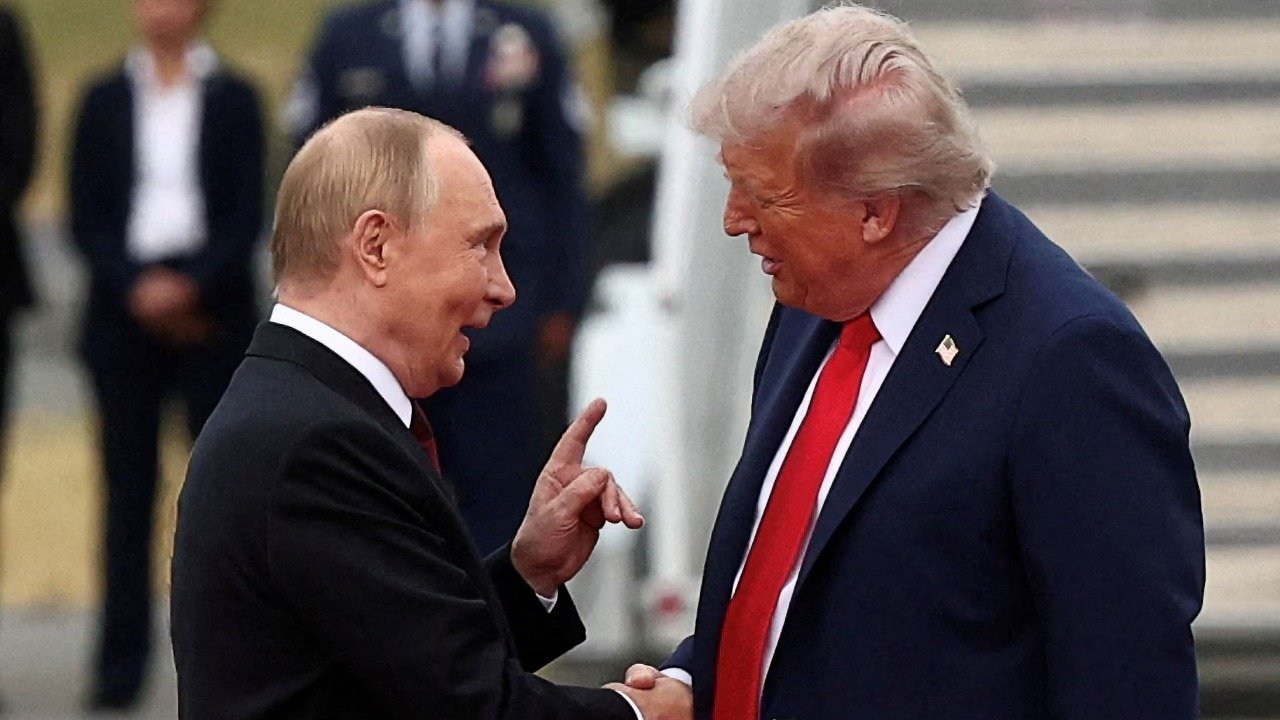

Hungary has been chosen as the next meeting place for US President Donald Trump and Russian President Vladimir Putin to discuss a potential resolution to the conflict in Ukraine. The decision has sparked interest due to the implications it holds for Putin, who is facing an international arrest warrant. Despite the warrant issued by the International Criminal Court (ICC) in 2023 for alleged war crimes, the actual execution of any arrest would require navigating various legal obstacles and EU sanctions.
The buzz surrounding Putin’s potential visit to Hungary stems from the obligations of member countries, including Hungary, Serbia, and Romania, to enforce arrest warrants issued by the ICC. Germany has already called on Hungary to detain Putin upon entry. While Hungary is in the process of withdrawing from the ICC, the withdrawal will not take effect for a year, leaving Hungary technically obligated to carry out any arrest warrant.
The likelihood of Hungary arresting Putin remains slim, given Prime Minister Viktor Orban’s close ties with both Trump and Putin. Orban has assured Putin’s safety and emphasized Budapest as a suitable location for the meeting. Despite the risks involved in Putin’s visit to an EU country amidst the ongoing conflict, the Kremlin has expressed the need to resolve several issues before the meeting can proceed.
Putin’s potential travel routes to Budapest present challenges due to EU sanctions on Russian aircraft. The shortest route over Belarus and western Ukraine poses security risks, while alternative routes through Poland and Slovakia or via Turkey and Greece offer differing levels of political complexities. Strategic planning and cooperation with NATO allies may be necessary to ensure a smooth passage for Putin.
Overall, the proposed meeting in Hungary between Trump and Putin signifies a critical diplomatic juncture amidst the ongoing Ukraine conflict, with various legal, political, and logistical considerations at play.