

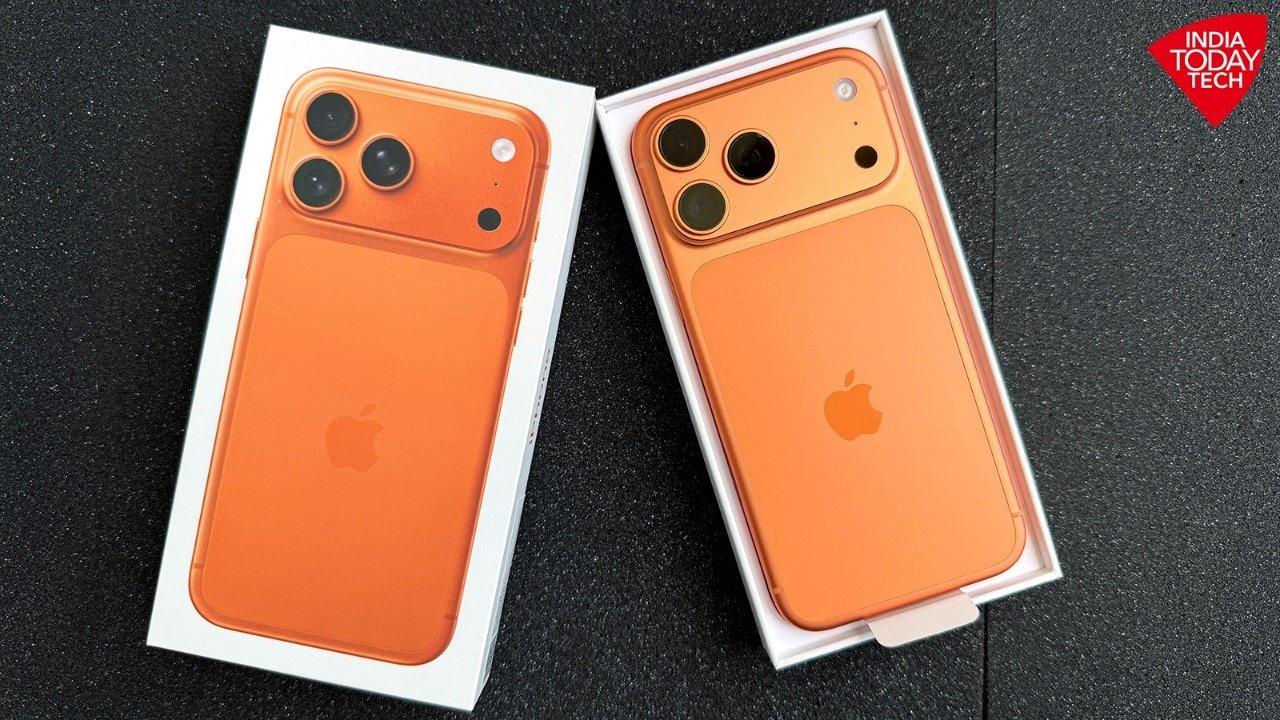

Apple’s upcoming iPhone 18 Pro lineup is rumored to undergo a significant design change, as leaks suggest a departure from the current dual-tone rear finish on the iPhone 17 Pro models. Instant Digital, a reliable tipster, hints at a more seamless and cohesive back design for the next generation of Apple’s flagship smartphones.
The current iPhone 17 Pro features a rear design with a glass cutout for MagSafe charging, creating a color contrast between the aluminum unibody and the Ceramic Shield 2 cutout. To address this, Apple is reportedly planning to update the back-glass replacement process for the iPhone 18 Pro and Pro Max, aiming to minimize the color variation between the glass and the aluminum frame. This change is expected to give the upcoming models a visually unified appearance, catering to fans of minimalist design.
Contrary to previous speculations about a slightly transparent design for the iPhone 18 Pro, Instant Digital’s latest information suggests a move towards a more cohesive look. While the credibility of the sources varies, Instant Digital has a track record of accurate leaks, such as revealing details about the Yellow finish for the iPhone 14 and the Titanium Milanese Loop for the Apple Watch Ultra 2.
Aside from the design tweaks, reports indicate that the iPhone 18 Pro models will retain features similar to the 17 Pro, including the large camera plateau. Furthermore, the upcoming models are expected to debut with Apple’s A20 Pro chips, manufactured using TSMC’s advanced 2nm process. They are also likely to feature Apple’s C2 modem instead of Qualcomm’s, showcasing Apple’s commitment to developing in-house hardware.
The iPhone 18 Pro and iPhone 18 Pro Max are reportedly set for a September 2026 launch, coinciding with the anticipated release of Apple’s first foldable iPhone. However, reports suggest that Apple has postponed the launch of the next-generation iPhone Air 2 due to lower than expected sales.
In summary, Apple enthusiasts can look forward to the iPhone 18 Pro series with a revamped design, advanced internal hardware, and a scheduled launch date in 2026.