

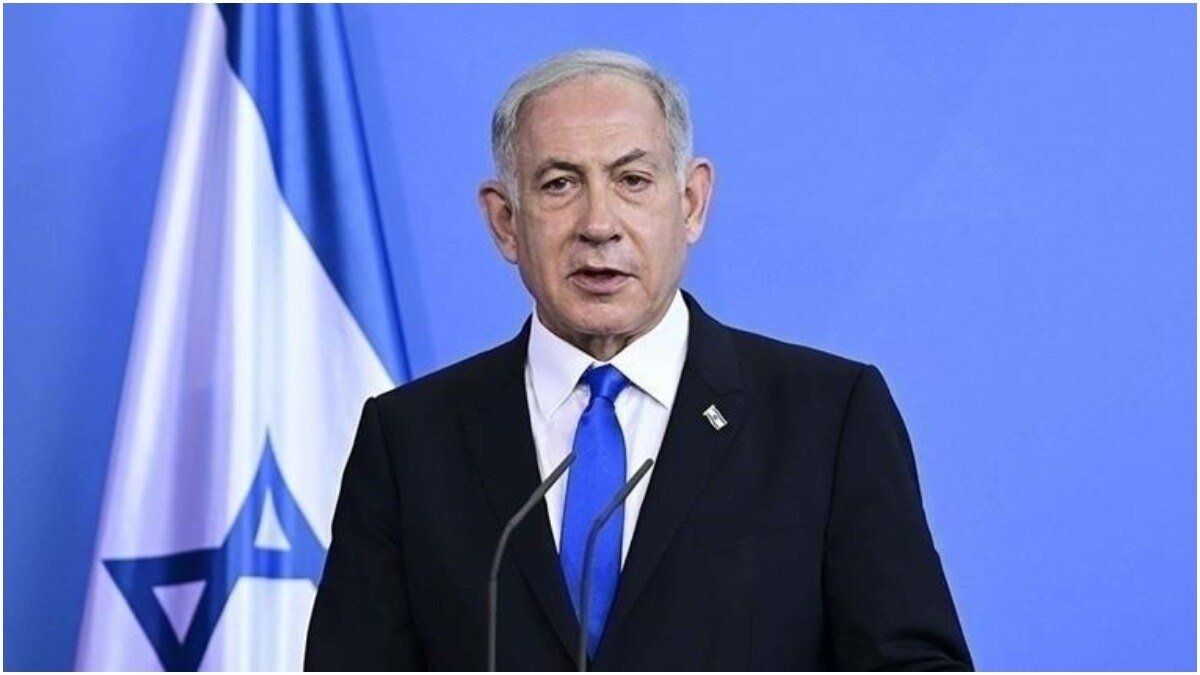

Israeli Prime Minister Benjamin Netanyahu announced on Saturday that the Rafah border crossing between Gaza and Egypt will remain shut “until further notice.” The reopening of the crossing hinges on Hamas handing over the bodies of deceased Israeli hostages, he stated. This statement followed a declaration from the Palestinian embassy in Egypt that the Rafah crossing, Gaza’s primary entry and exit point, would reopen on Monday. In response, Hamas condemned Netanyahu’s decision, labeling it a breach of the ceasefire agreement and a renunciation of commitments made to mediators and guarantor parties.
Hamas further cautioned that maintaining the closure of the crossing would impede the delivery of necessary equipment for recovering additional hostage bodies from the debris, thereby slowing down the repatriation process to Israel. Israel confirmed the reception of two more hostage bodies late on Saturday, bringing the total to 12 out of 28 bodies agreed upon in the US-brokered ceasefire and hostage deal reached the previous week. The delayed return of the bodies underscores the delicate nature of the ceasefire and presents a potential threat to the broader agreement, which encompasses other facets of US President Donald Trump’s 20-point plan aimed at resolving the conflict.
As part of the ceasefire arrangement, Hamas released all 20 Israeli hostages it had held for two years in exchange for nearly 2,000 Palestinian prisoners incarcerated in Israel. However, Israel has raised concerns about Hamas’ slow pace in returning the deceased hostages’ bodies, while Hamas argues that the search for remains amidst Gaza’s extensive destruction is time-consuming. Per the agreement, Israel is expected to return 360 bodies of Palestinian militants in exchange for the deceased Israeli hostages, having so far handed over 15 Palestinian bodies for each Israeli body received.
The Rafah crossing has been mostly shut since May 2024. The ceasefire also involves a boost in humanitarian aid to Gaza, where hundreds of thousands of individuals were deemed at risk of famine in August, as per the IPC global hunger monitor. Following nearly a three-month blockade, Israel commenced the augmentation of aid in July, further escalating it post-ceasefire.
Since the US-mediated truce, an average of approximately 560 metric tons of food enters Gaza daily, although this falls short of the actual requirement, reports the UN World Food Programme. Despite these efforts, significant challenges persist in implementing the broader peace plan, including issues regarding Hamas disarmament and the governance of Gaza.