

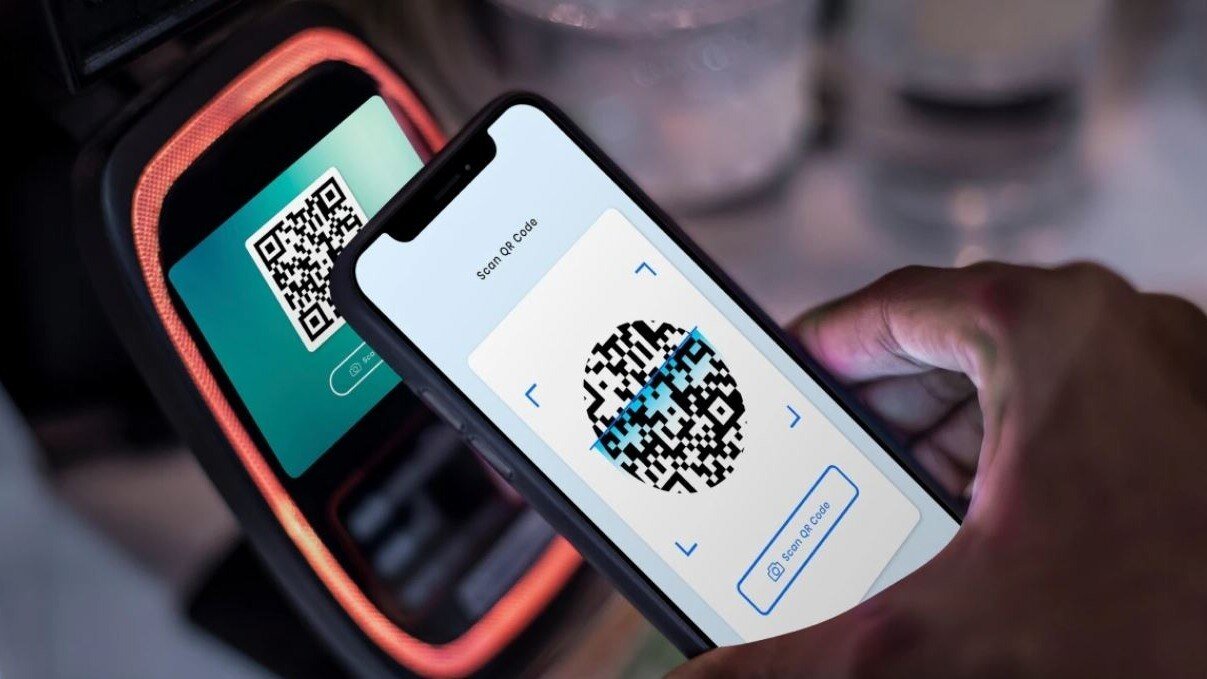

In today’s digital age, the prevalence of micropayment transactions conducted through popular digital wallets like Paytm, PhonePe, and Google Pay has transformed smartphones into seamless payment tools. These transactions, which often involve small sums of money, occur frequently throughout the day, whether it’s for a cup of tea, a short ride, or a subscription to a mobile app.
Many individuals in India may not realize the extent of their micropayments until they review their digital wallets at the end of the month. The convenience of digital wallets makes spending effortless, leading to numerous inconspicuous expenses that accumulate over time without much notice until one carefully examines their bank statements.
Moreover, the automatic renewal of digital subscriptions through payment apps adds another layer to this phenomenon. From entertainment services like Netflix and music streaming platforms to e-commerce memberships, these seemingly insignificant recurring charges can collectively amount to a substantial sum, quietly eroding one’s savings.
This trend highlights a new spending reality in India, characterized by the proliferation of micropayments that gradually deplete financial resources without the individual’s explicit awareness. The allure of in-app prompts, cashback incentives, and deferred payment options further blurs the line between discretionary and essential spending, fostering habitual consumption patterns.
India’s rapid adoption of digital payment solutions has propelled the country into a leading position globally. With QR codes ubiquitous across various merchant outlets, the Reserve Bank of India reports that digital transactions, particularly through the Unified Payments Interface (UPI), dominate the payment landscape, with billions of transactions processed monthly.
The evolution of digital payments has given rise to what can be termed as the “tap economy,” characterized by seamless and instantaneous transactions that prioritize convenience and efficiency. However, this very convenience paradoxically diminishes the conscious awareness of spending, making it easier for individuals to engage in impulsive purchases and recurrent expenses.
Unlike traditional cash transactions that involve a tangible exchange of physical currency, digital payments eliminate the tactile experience of parting with money, thereby reducing the psychological barrier to spending. This shift has been reinforced by studies indicating that individuals tend to make more frequent low-value purchases through digital wallets, driven by the pleasure-inducing effects of dopamine release associated with each transaction.
Furthermore, the prevalence of subscription-based services perpetuates a cycle of unnoticed expenditure, as individuals often overlook small recurring charges that accumulate over time. The ease of auto-debits and the illusion of savings through cashback offers contribute to a sense of financial leakage, with consumers subscribing to services they may not fully utilize.
While digital payments have facilitated financial inclusion for millions in India, there is a growing concern about the transition from inclusion to dependence on digital financial tools. Despite initiatives promoting financial literacy and mindful spending, many users struggle to discern between necessary and discretionary expenses in the absence of tangible payment cues.
To address these challenges, individuals are encouraged to introduce subtle friction into their payment habits by reviewing automatic payments, setting spending alerts, and imposing limits on non-essential expenditures. Taking a moment of reflection before making a purchase can help align convenience with conscious decision-making, fostering greater financial mindfulness in the digital era.
In conclusion, while digital wallets have democratized payment systems in India, it is imperative to balance technological convenience with personal discipline to safeguard financial well-being. As the payment landscape continues to evolve, cultivating a mindful approach to financial management remains essential to navigate the complexities of modern spending habits.