

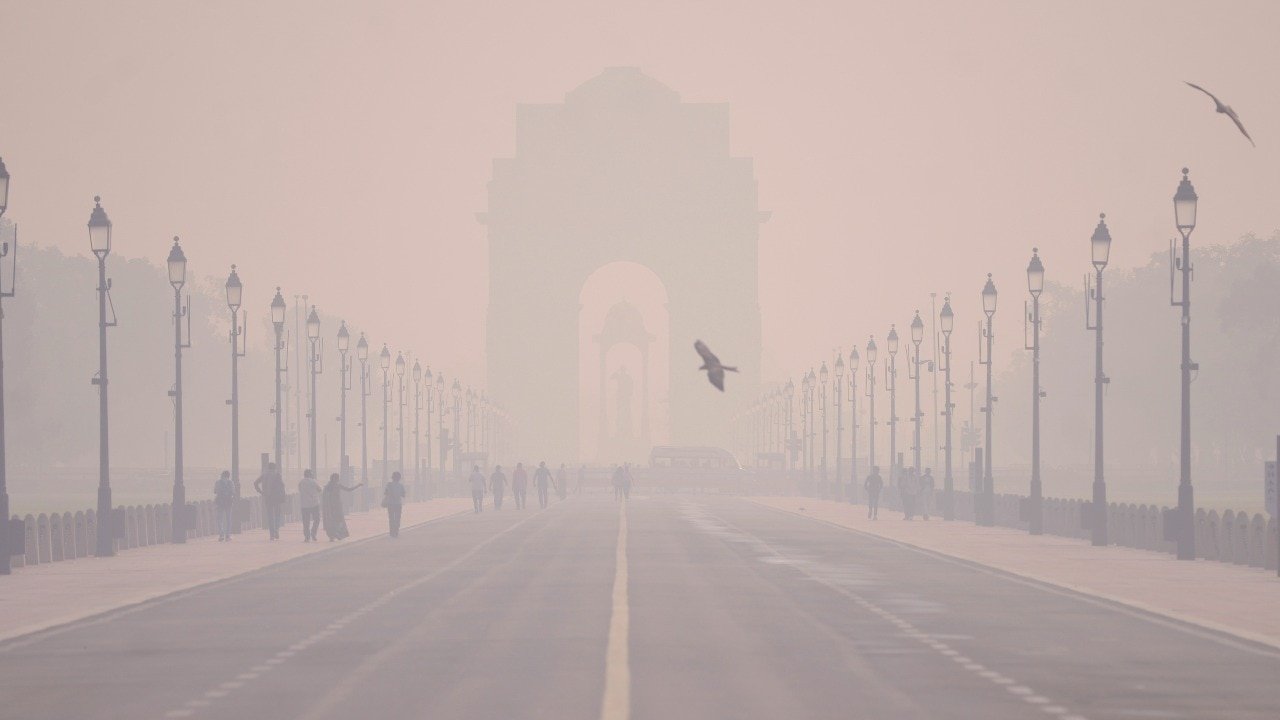

The Delhi government is preparing to conduct its inaugural cloud seeding experiment on Tuesday, pending favorable weather conditions, as announced by an official. Delhi Environment Minister Manjinder Singh Sirsa revealed that a meeting is scheduled to evaluate the feasibility of proceeding with the trial.
If weather conditions permit, the cloud seeding trial will proceed after a flight arrives in Delhi from Kanpur. The primary objective of the trial is to induce artificial rain to combat air pollution in the capital city, aligning with the government’s comprehensive strategy to address worsening air quality during the winter season.
The recent test flight over Burari marked the completion of preparations for Delhi’s highly anticipated cloud seeding initiative. During the trial run, the release of silver iodide and sodium chloride compounds from the aircraft aimed to stimulate artificial rainfall. However, due to atmospheric moisture levels below the required threshold of 20%, precipitation could not be triggered.
IIT Kanpur, the project leader, highlighted that the trial flight assessed the aircraft’s capabilities for cloud seeding, the effectiveness of the seeding components, and coordination among involved entities. Chief Minister Rekha Gupta indicated the potential for artificial rain between October 28 and 30, with the first artificial rain in Delhi expected on October 29 if conditions remain favorable.
The Delhi government’s collaboration with IIT Kanpur for five planned cloud seeding trials in northwest Delhi was formalized through a Memorandum of Understanding signed in September. The Directorate General of Civil Aviation granted permission for the trials to occur between October 1 and November 30, with approvals secured from various central and state departments.
Despite several postponements due to unfavorable weather conditions, the government remains committed to executing the cloud seeding trials, as approved by the Delhi Cabinet in May. The initiative, with a total cost of Rs 3.21 crore, has faced delays since its initial deadlines in May, June, August, September, and most recently, the second week of October.