

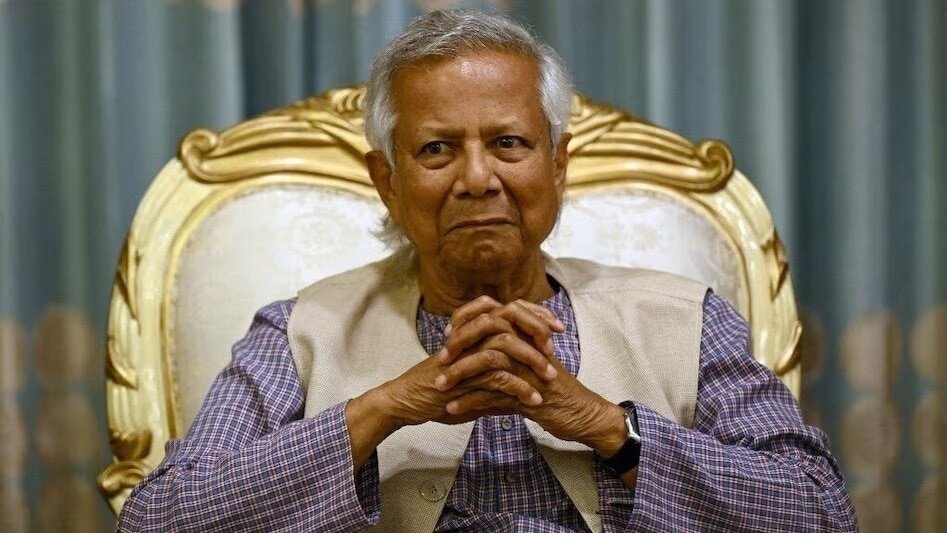

The interim government in Bangladesh led by Muhammad Yunus, previously praised for their role in the July-August uprising, is now facing internal turmoil. Two advisors linked to the student protests have been asked to resign from their ministerial positions by the Yunus administration. This decision follows objections raised by the Bangladesh Nationalist Party (BNP) and Jamaat-e-Islami over the advisors’ perceived affiliations with the National Citizen Party (NCP), formed by student leaders involved in the anti-government movement that led to Prime Minister Sheikh Hasina’s exile in August 2024.
The BNP and Jamaat have expressed concerns about the advisors’ alleged bias towards the NCP, raising doubts about their impartiality as the interim government, led by Yunus, prepares for upcoming elections. The advisors, Mahfuj Alam and Asif Mahmud Sojib Bhuyian, played pivotal roles in the ousting of Sheikh Hasina’s government in 2024 and were subsequently appointed to key positions in Yunus’s advisory council.
Reports suggest that both advisors have been urged to step down, with fears that their departure could embolden their opponents. The NCP leaders have emphasized the need for balanced representation within the government. While the advisors have hinted at their potential resignations, concerns have been raised about the political motivations and affiliations of these student leaders within the interim administration.
The move to seek the resignation of student advisors by the Yunus government comes amidst mounting political tensions, with opposition parties questioning the neutrality of the government ahead of the scheduled elections. The growing influence of the NCP has raised suspicions among rival parties, who view the advisors as aligned with specific interests rather than maintaining a neutral stance.
As the Yunus administration navigates these challenges, the delicate balance between maintaining a youthful revolutionary image and upholding political credibility becomes increasingly complex. The upcoming 2026 polls will test Yunus’s ability to manage perceptions of impartiality while addressing the evolving dynamics within the interim government.