

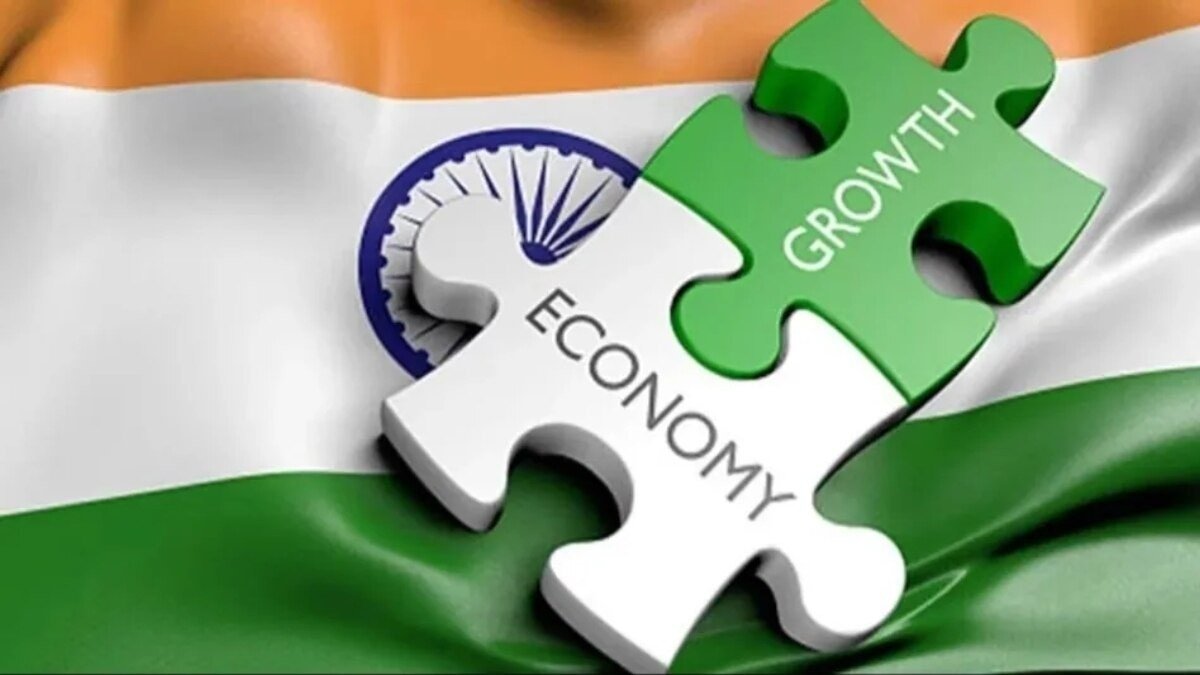

India is making significant economic strides amidst global uncertainty and sluggish growth. The International Monetary Fund (IMF) has raised its growth forecast for India, which continues to outperform its global counterparts. Fueled by a growing middle class, increasing incomes, and a youthful population, India is on track to become the world’s most dynamic consumer economy, reshaping global markets. The key focus now is not on whether India will lead but rather on how far and how fast it will do so.
India’s robust economic growth is particularly noteworthy given the ongoing global slowdown, with the country’s GDP largely driven by a thriving domestic economy. Factors such as a strong demographic base, a skilled labor force, and an expanding middle class with significant purchasing power are propelling India as a consumption powerhouse.
The middle class in India, the fastest-growing segment, currently represents 31% of the population. It is projected to reach 38% by 2031 and 60% by 2047, with over one billion people expected to be part of the middle-class category by the time India reaches 100 years old.
The burgeoning middle class in India presents vast opportunities for growth and increased discretionary spending, attracting global brands to the country. Despite some temporary setbacks due to higher tariffs imposed by the US administration, India is poised to emerge as a manufacturing hub and a key market for the affluent middle class. Domestic consumption, which accounts for nearly 70% of India’s GDP, primarily driven by private consumption, serves as the backbone of the country’s economic growth, offering resilience against external shocks.
Strong economic indicators, such as healthy foreign exchange reserves, manageable current account deficit, and rising foreign investments, reflect growing global confidence in India’s long-term growth prospects, ultimately impacting the overall per capita income of the population.
Urbanization trends and the availability of quality human resources are shaping India’s future economic landscape. With the urban population expected to exceed 40% by 2030, tier-2 and tier-3 cities are emerging as new consumption hubs. The young demographic, with a median age of 29 years, positions India as having the largest youth population globally, contributing significantly to both production and consumption within the country.
Over the past decade, India’s economy has expanded significantly, with GDP expected to triple from Rs 106.57 lakh crore in FY15 to Rs 331 lakh crore in FY25. This economic growth has also seen a surge in capital markets and retail investor participation. The focus on consumption is set to persist, supported by rising household incomes, digital penetration, and favorable demographics, indicating a sustainable shift towards consumption-driven growth in India.
As global brands and investors take notice of India’s domestic demand potential, the country is on the brink of a transformative period. This shift is not merely a short-term trend but signifies a long-term structural change, positioning India as a key player in the global economy for years to come.