

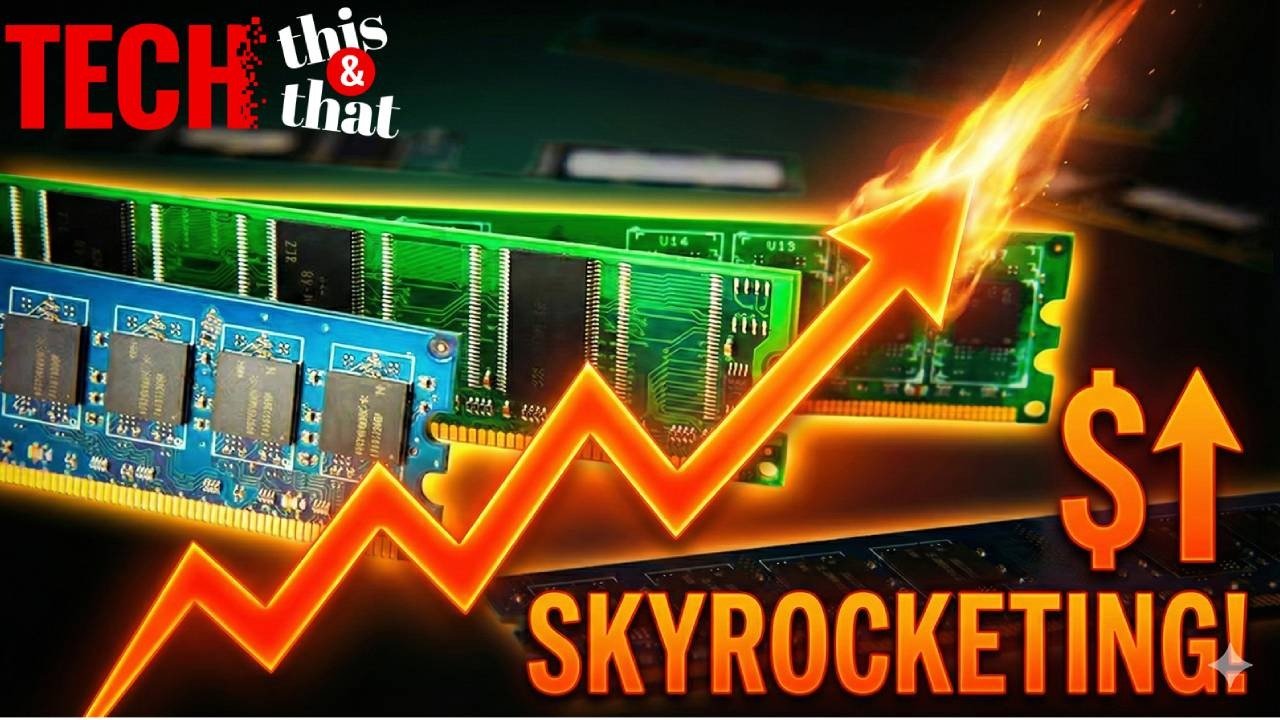

In the world of artificial intelligence (AI), the unanimous call for more computing power is echoing from industry giants like Sam Altman of OpenAI to Elon Musk of xAI. This insatiable appetite for increased compute is primarily driven by the escalating complexity and scale of AI systems. The backbone of this insatiable hunger for compute power lies in various computer components, including Random Access Memory (RAM), which is currently facing a shortage in supply. This looming scarcity is poised to impact the availability and pricing of computers and smartphones in the near future.
The recent months have witnessed a substantial surge in RAM prices, fueled by the soaring demand from AI companies willing to pay a premium for essential components. Micron, a key player in the industry, recently announced a strategic shift to exclusively supply RAM to businesses, discontinuing direct consumer sales. Sumit Sadana, Micron’s business chief, attributed this decision to the explosive growth of AI-driven data centers, necessitating a focus on serving larger strategic customers.
Shift towards AI-centric supply
Notably, Micron is not alone in this strategic pivot. Major players like Samsung and SK Hynix are also realigning their focus towards catering to AI companies that are prepared to pay a premium for critical components. Recent reports, though refuted by Samsung, suggested a possible disruption in RAM supply to the phone division, potentially impacting the upcoming Galaxy S26.
Behind the seamless user experience of AI applications like ChatGPT and Google Gemini lies a sophisticated AI infrastructure that relies on extensive computing resources. This hidden AI backbone, powered by numerous graphics processors and substantial RAM capacity, is essential for delivering efficient AI interactions. The exponential demand for components is reminiscent of the previous strain on graphics processors, leading companies like Nvidia to transition into AI infrastructure providers.
The intensifying demand for RAM, a pivotal component in AI systems for both training and inference tasks, has triggered a sharp increase in prices. Industry estimates suggest a threefold to sixfold surge in RAM prices compared to early 2025, signifying a significant cost escalation. The ripple effect of this surge is anticipated to persist in 2026.
Market observations in locations like Nehru Place reveal a visible impact, with 16GB RAM kits commanding prices exceeding Rs 10,000. The resultant price hikes are gradually reflecting in the pricing of laptops and mobile devices, with high-end phones in India witnessing a notable price upsurge compared to previous years.
Despite its inconspicuous nature, RAM plays a crucial role in computing devices by storing and processing data actively. The current supply crunch and price surge in RAM are poised to affect the broader computing ecosystem, including embedded RAM in chips like Snapdragon or Dimensity for enhanced performance. The imbalance between supply and demand, exacerbated by the voracious appetite of AI companies for RAM, suggests a prolonged period of constrained supply and escalating prices.