

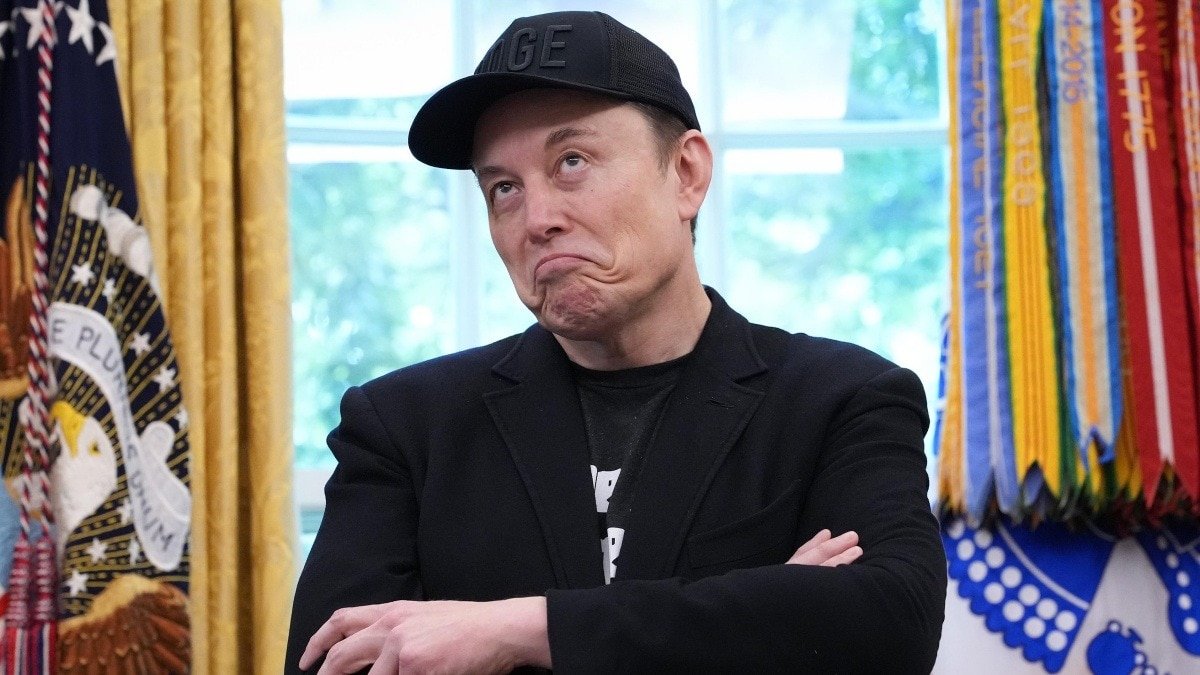

Elon Musk, the CEO of SpaceX and a prominent figure in the tech industry, has commented on a recent report alleging that Chinese and Russian operatives are engaging in seduction and deception tactics to infiltrate the American technology sector.
In response to the findings, Musk made a witty remark on X, stating, “If she’s a 10, you’re an asset.” The tongue-in-cheek comment, combining humor with a cautionary tone, quickly gained widespread attention.
The investigation, conducted by The Times (UK), reveals a concerning trend dubbed “sex warfare,” where foreign intelligence agents masquerade as entrepreneurs, investors, or romantic partners to extract sensitive information from US tech professionals.
According to the report, Chinese and Russian spies are focusing their efforts on innovation hubs across the United States, from Silicon Valley to Seattle, in a bid to gain access to confidential research, defense technologies, and artificial intelligence projects.
Experts warn that these operations represent a fusion of human intelligence and cyber espionage, utilizing emotional manipulation rather than traditional hacking methods to breach secure systems. Jeff Stoff, a former US national security analyst, emphasized China’s aggressive tactics, targeting American startups, academic institutions, and innovators as part of an economic warfare strategy.
James Mulvenon, Chief Intelligence Officer at Pamir Consulting, recounted receiving numerous LinkedIn requests from attractive young Chinese women, suggesting a coordinated intelligence campaign. He described the situation as akin to the “Wild West.”
US counterintelligence officials have raised alarms about the expanding scope of “sex warfare,” highlighting instances where operatives have married targets within aerospace and defense sectors to facilitate long-term intelligence gathering. These tactics, including marrying American engineers, are viewed as part of ongoing intelligence collection efforts.
Moreover, US intelligence officials assert that China has embraced a comprehensive espionage strategy, leveraging civilians, such as students and business professionals, as potential assets. This holistic approach represents a departure from traditional espionage methods, emphasizing infiltration across various levels of society.
The economic implications of such espionage activities are substantial, with estimates suggesting that economic espionage and trade secret theft cost the US economy up to $600 billion annually, with China being a primary actor in these activities.
In addition to romantic entanglements, US authorities caution against economic “honeytraps,” citing instances where Chinese entities organize innovation competitions or pitch events to lure startups into revealing intellectual property. These competitions may involve recording participants, collecting personal data, and exploiting it for industrial espionage purposes.
While the concept of seductive espionage dates back to the Cold War era, the battleground has evolved, with modern spies targeting individuals in the tech industry, including data scientists, AI engineers, and startup founders who possess valuable knowledge for future technologies with national security implications.
Intelligence analysts stress the importance of enhancing insider-threat training and behavioral monitoring within Silicon Valley firms to mitigate the risks posed by such sophisticated espionage tactics. As private tech companies wield increasing strategic power, they have become prime targets for foreign intelligence operations.
In conclusion, the growing prevalence of “sex warfare” and other covert tactics underscores the need for heightened vigilance and security measures within the tech industry to safeguard valuable intellectual property and national interests.