


Overpriced initial public offerings (IPOs) are once again a topic of discussion in India’s primary market, as Lenskart’s IPO sparks a debate on the need for regulators to take a more active role in managing inflated valuations.
Despite receiving significant investor interest, Lenskart’s IPO has raised concerns due to its aggressive valuation, prompting questions on whether investor excitement is driven by the company’s brand strength or market speculation. Santosh Meena, Head of Research at Swastika Investmart, highlighted the criticism surrounding Lenskart’s high valuation before its IPO, noting the disparity between its financial performance and the lofty pricing expectations.
Meena emphasized that while Lenskart boasts strong brand recognition and growth, investors are cautious due to its narrow profits and substantial marketing expenditures, which contribute to its seemingly stretched valuation. This situation reflects broader apprehensions regarding startup IPO pricing in India, where private market valuations often do not align with public market realities.
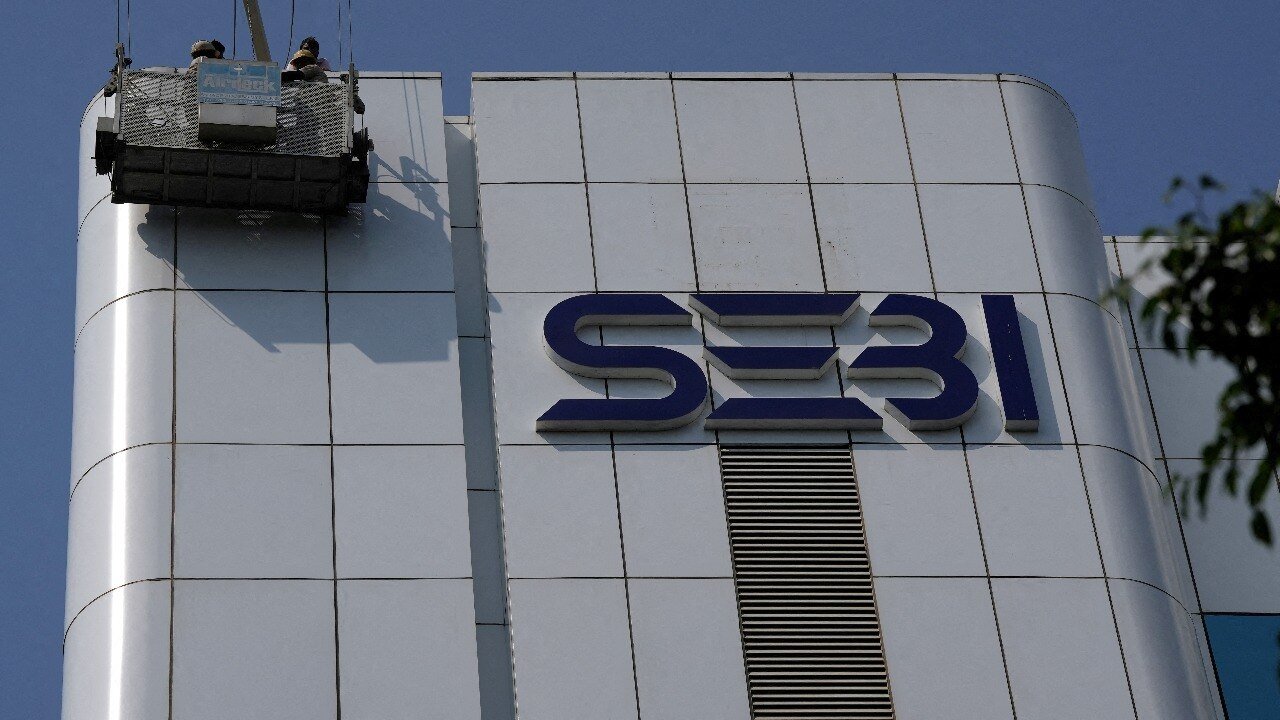
The discussion raises the fundamental question of whether the Securities and Exchange Board of India (Sebi), the market regulator, should play a more active role in overseeing IPO valuations or if valuation should solely be determined by market dynamics.
Meena suggested that given the trend of aggressively priced IPOs and instances where newly listed companies experience significant post-listing corrections, there is a rationale for Sebi to enhance its role in ensuring transparency and fairness. While Sebi may not directly set IPO valuations, it can strengthen regulatory oversight to ensure valuations are supported by solid fundamentals and comprehensive disclosures.
Trivesh, Chief Operating Officer of Tradejini, emphasized that Sebi’s primary responsibility is to ensure transparency and disclosure rather than dictate IPO pricing. He highlighted the shift in Indian markets towards a disclosure-based system and stressed the importance of investors thoroughly evaluating fundamentals in the current sentiment-driven IPO environment.
The recent trend of high-profile IPOs listing below their issue price has raised concerns about the determination of valuations. Trivesh observed that many IPOs listing below their issue price indicate that valuations are outpacing reality, often influenced by grey market buzz and social media hype rather than fundamental analysis.
The potential risk to retail investors and market confidence posed by inflated valuations was discussed. Meena warned that overvalued IPOs could undermine retail investors’ trust and long-term market confidence, particularly when overpriced companies experience sharp stock price declines post-listing.
Regarding how IPO prices are determined, Trivesh explained that investment bankers and promoters utilize book-building or fixed price methods. While Sebi mandates full disclosure of financials, risk factors, and valuation basis, final pricing depends heavily on peer comparisons, growth potential, and market sentiment.
The ongoing debate surrounding inflated IPO valuations coincides with a surge in India’s equity market participation, particularly among retail investors seeking quick gains through IPOs. However, the discrepancy between market hype and underlying fundamentals continues to raise sustainability concerns.
In conclusion, the discussion underscores the need for a balanced regulatory approach that promotes transparency and fairness in IPO valuations without stifling innovation, aiming to enhance investor protection and market integrity.