


Brazil is concerned that any potential interference by the United States in Venezuela could incite unrest in South America and spark turmoil, a foreign policy advisor informed AFP amid escalating tensions between Washington and Caracas. US naval forces are positioned in the Caribbean near Venezuela, taking action against boats that are allegedly smuggling drugs toward the US. The United States recently announced the deployment of an aircraft carrier and support vessels as part of the military operation, which has extended to the Pacific Ocean. At least 43 individuals have lost their lives in a series of 10 incidents.
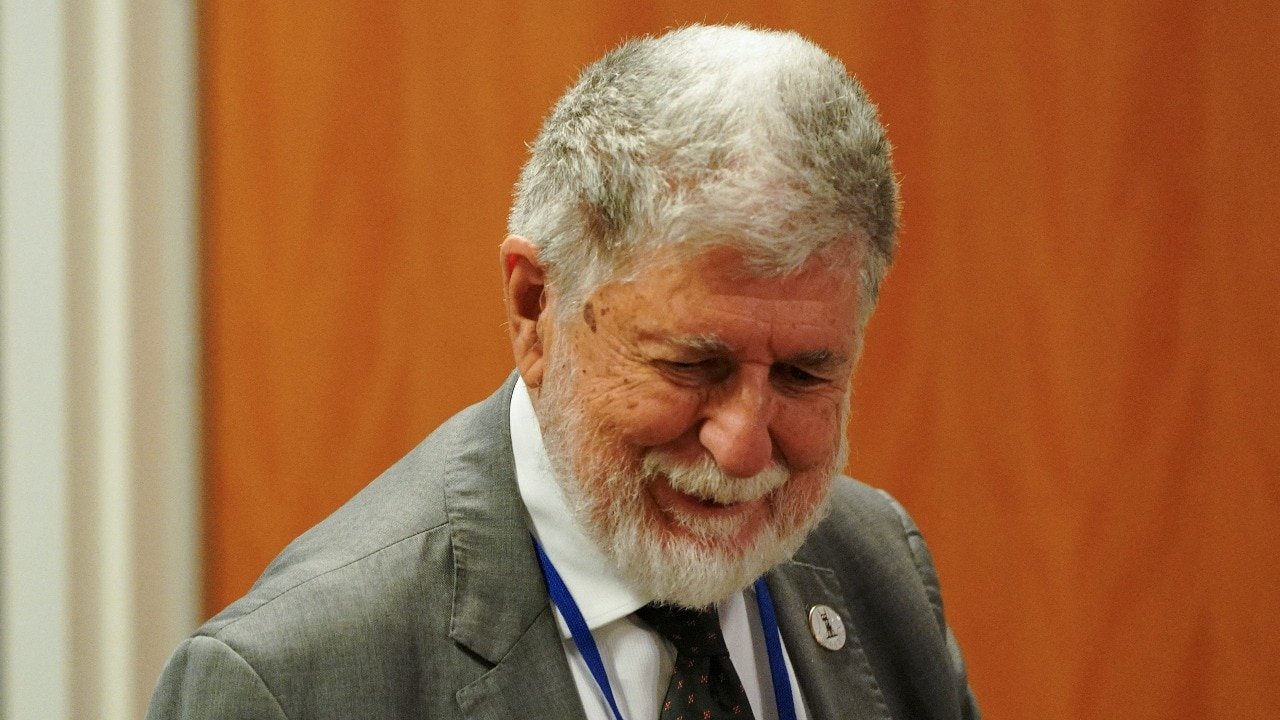
In an interview with AFP on Thursday, Celso Amorim, a former foreign minister and current aide to President Luiz Inacio Lula da Silva, expressed alarm over the attacks, which he claimed lacked evidence of drug trafficking, labeling them as a “threat of external intervention.” Amorim suggested that the issue might be raised during an unconfirmed meeting between Lula and President Donald Trump on the sidelines of an Association of Southeast Asian Nations (ASEAN) summit in Kuala Lumpur, Malaysia. However, the anticipated meeting is likely to focus on the 50% tariffs imposed by Trump on Brazilian imports as retaliation for Brazil’s prosecution of his ally, former right-wing president Jair Bolsonaro. Bolsonaro was sentenced to 27 years in prison in September for conspiring to stage a coup to retain power after losing to Lula in the 2022 election.
In response to a question regarding whether Lula would address the US actions in the Caribbean if the meeting with Trump proceeds, Amorim stated that Brazil is deeply concerned about the potential use of force or covert tactics, such as those utilized by the CIA, to destabilize governments in the region. Brazil opposes external intervention and believes that the Venezuelan people should determine their leadership without outside interference to prevent regional upheaval and potential refugee crises.
Regarding the resumption of dialogue between Brazil and the United States following tensions surrounding the Bolsonaro trial and tariffs, Amorim emphasized the importance of common sense and constructive dialogue to identify mutual interests and maintain positive relations. He highlighted the need for a pragmatic approach in discussions between President Lula and Trump, emphasizing economic and trade cooperation.
When asked whether Trump has distanced himself from the Bolsonaro movement post the former president’s conviction, Amorim noted that the topic of Bolsonaro did not arise during recent conversations between the two leaders. He pointed out the presence of both pragmatic and ideological individuals within governments and suggested that pragmatic considerations may have influenced Trump’s stance in this scenario.