

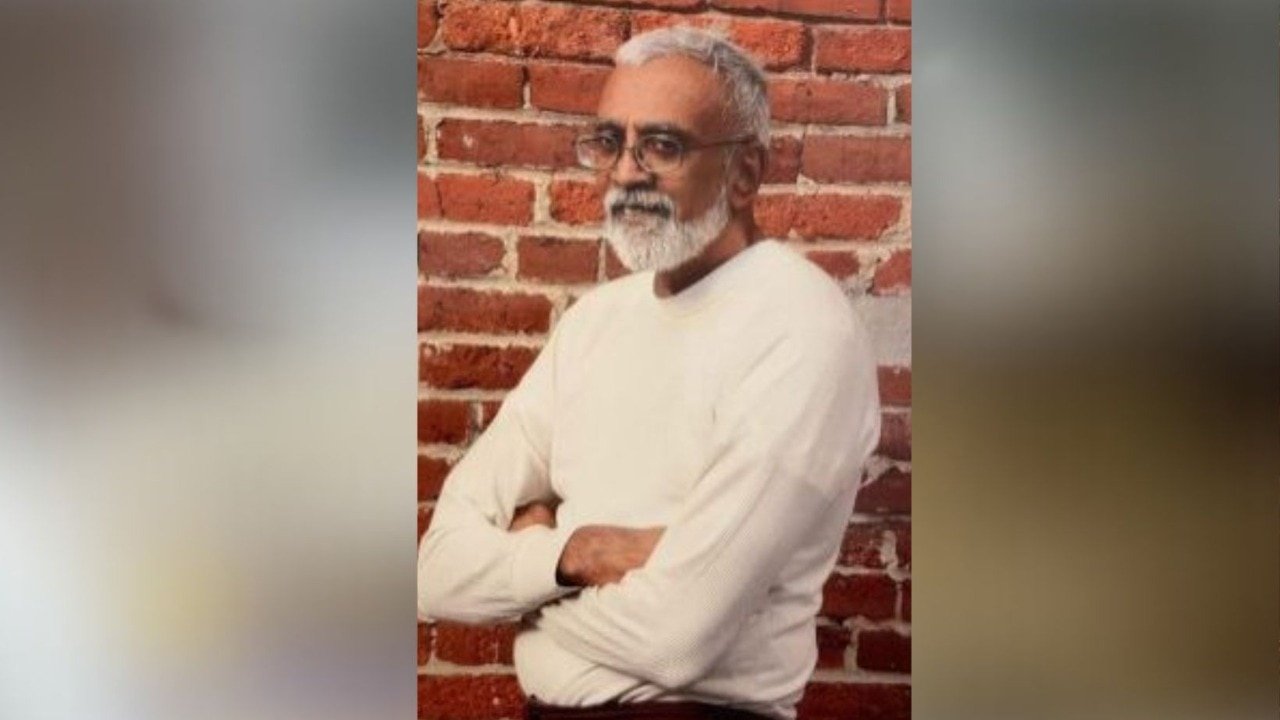

Subu Vedam, an Indian-born Green Card holder who migrated to the United States as a baby, was released from a Pennsylvania prison on October 3 after spending 43 years incarcerated for a murder he was later found innocent of. However, his newfound freedom was short-lived as US Immigration and Customs Enforcement (ICE) agents immediately detained him for deportation to India, a country he had left as a nine-month-old infant. Vedam’s family is now challenging the decades-old deportation order, arguing that the US is his only home.
The ICE enforced a “legacy deportation order” from the 1980s linked to Vedam’s prior drug conviction for LSD possession and distribution, a crime he committed as a teenager. Despite being exonerated for the murder, his drug conviction remained unresolved.
Following his release on October 3, the dormant deportation order from the 1980s was swiftly implemented, leading to Vedam being given a concurrent two-and-a-half-year term for the drug offense.
Vedam had been convicted of his former roommate’s murder in 1983 and sentenced to life imprisonment by a Pennsylvania court. Due to being considered a flight risk, he was denied bail as a foreigner, and his Green Card and passport were seized.
Currently detained at the Moshannon Valley Processing Center in Pennsylvania, Vedam is in a crowded facility but has better communication access with his family compared to his time in prison.
While Vedam’s family fights to prevent his deportation to India, citing his long absence and challenges in readjusting to a changed world, ICE maintains that he will remain in custody pending deportation, labeling him a “career criminal” based on his 1980s criminal record.
Vedam’s attorney has filed a motion to reopen his immigration case and requested a stay of deportation while the motion is pending. His lawyer emphasized that Vedam had been a lawful permanent resident since infancy and had an accepted citizenship application before his arrest in 1982.
The case against Vedam for the murder he did not commit originated in 1980 when his former roommate disappeared, leading to Vedam’s arrest in 1982. Despite lack of direct evidence tying him to the crime, he was convicted in 1983 and again in 1988 following appeals.
Newly uncovered documents in 2022 revealed that prosecutors had withheld crucial evidence, including an FBI report, from the defense. This evidence, discovered by a legal team led by Gopal Balachandran, discredited the prosecution’s case and led to Vedam’s exoneration in 2025.
After years of legal battles, Vedam was freed in 2025 when a judge vacated his conviction based on suppressed physical evidence. Despite being released from prison, Vedam’s family continues to fight for his complete freedom, facing the challenge of navigating an immigration issue tied to his original case.