

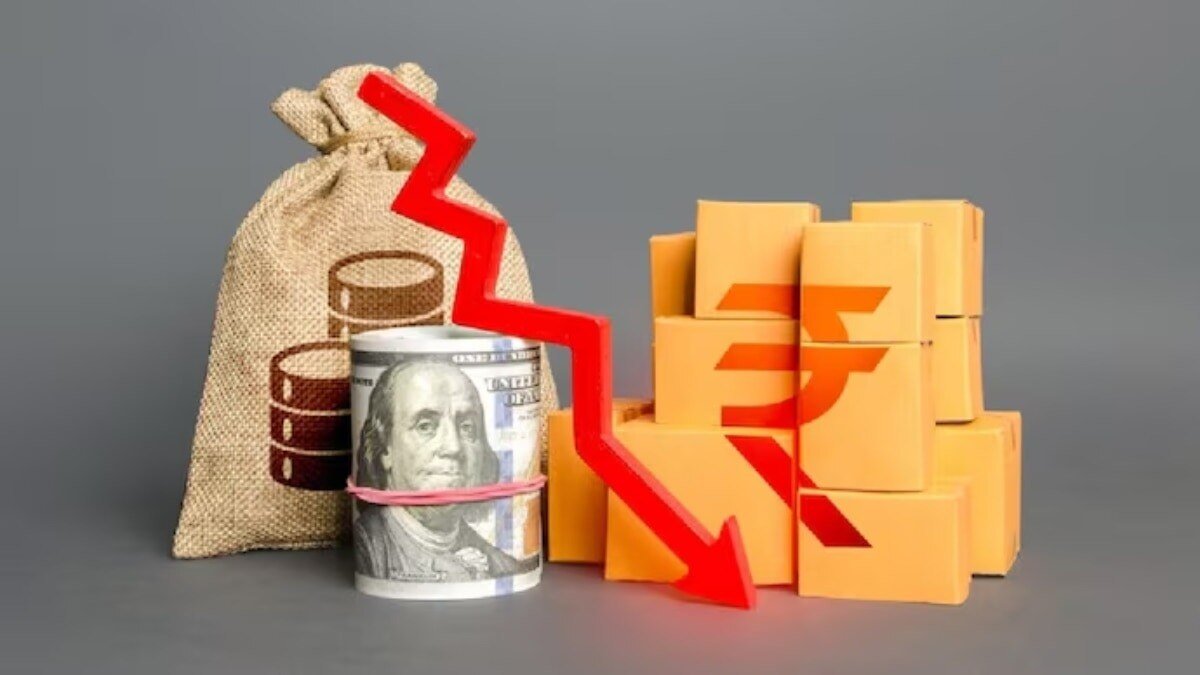

The Indian Rupee breached the 90-per-dollar mark for the first time, hitting 90.11 in early trade and reaching a new all-time low. Traders were surprised by the decline, which had been building up due to various global and domestic factors.
The drop has sparked concerns among market participants, importers, and policymakers, who are now eagerly awaiting the Reserve Bank of India’s policy announcement on Friday for potential relief.
Factors such as uncertainty surrounding the India–US trade deal, increased import costs, elevated commodity prices, and subdued portfolio flows have all contributed to the rupee’s weakness. A weaker rupee leads to higher import expenses, heightened inflation risks, and increased costs for businesses reliant on foreign goods, particularly fuel and machinery.
According to Jateen Trivedi, VP Research Analyst at LKP Securities, the rupee’s decline below 90 is significantly influenced by the lack of clarity on the India–US trade deal and repeated delays in setting definitive timelines. The market is now seeking concrete figures rather than general assurances, leading to accelerated selling of the rupee in recent weeks.
Trivedi highlighted that soaring metal and bullion prices have inflated the import bill, while elevated US tariffs are denting export competitiveness. Additionally, limited intervention by the RBI has contributed to the rapid depreciation of the rupee. Market expectations are focused on whether the central bank will intervene to stabilize the currency, as technical indicators suggest that the rupee is oversold.
The ongoing uncertainty surrounding the India–US trade deal and rising import costs have kept the rupee under pressure. The absence of clear details and timelines has made the market cautious, resulting in selling of the rupee.
Moreover, the surge in global prices of metals, crude oil, and gold has further strained the rupee as India heavily relies on imported commodities. This uptick in global prices directly impacts the country’s import bill, exacerbating pressure on the rupee and the current account deficit.
The Reserve Bank of India’s role in recent weeks has been a subject of speculation, with some questioning whether the central bank is intentionally allowing the rupee to find a new equilibrium. Analysts suggest that the RBI’s current intervention strategy indicates a willingness to let the currency adjust to reflect macroeconomic shifts.
Foreign investors have been cautious about Indian markets due to global rate movements and domestic valuations. The outflow of foreign funds from equities or debt has increased the demand for dollars, further straining the rupee.
Bank of America anticipates some relief for the rupee in the upcoming year, expecting mild appreciation against the USD. The brokerage firm forecasts the INR to reach 86 per USD by the end of 2026.
All eyes are now on the RBI’s Monetary Policy Committee meeting, where traders will closely monitor guidance on liquidity, inflation, and currency management.