

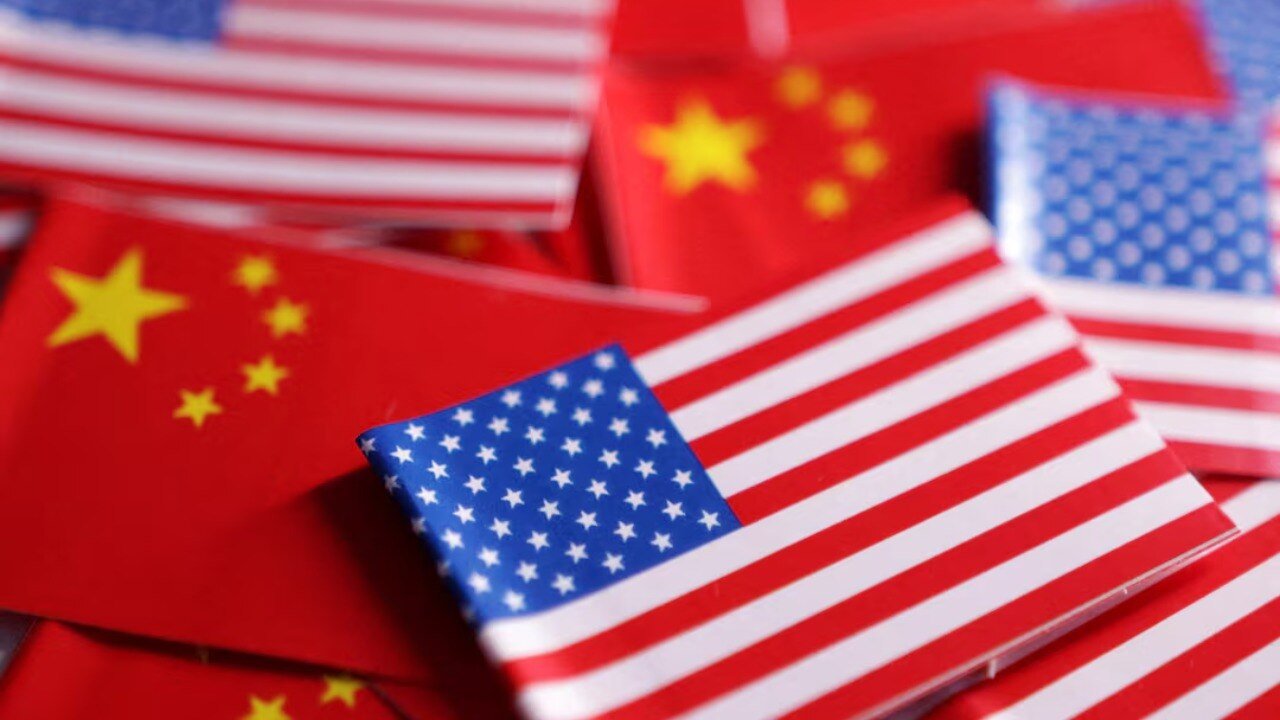

The United States Trade Representative (USTR) office announced a new tariff investigation into China’s alleged non-compliance with the “Phase One” trade deal signed during former President Donald Trump’s tenure in 2020. This probe, authorized under Section 301 of the Trade Act of 1974, represents a renewed effort by the previous administration to enforce Beijing’s unmet trade obligations and potentially lead to increased tariffs on Chinese imports.
This announcement coincided with upcoming US-China discussions on rare earth export controls in Kuala Lumpur, indicating a resurgence of trade tensions between the two major economies.
The Phase One agreement aimed to address the trade imbalance between the US and China, requiring Beijing to increase purchases of American agricultural products, manufactured goods, energy, and services by $200 billion annually over two years. However, China reportedly fell short of these targets, citing the impact of the Covid-19 pandemic that disrupted global supply chains shortly after the agreement was signed in January 2020.
The USTR, as per a Federal Register notice, highlighted China’s alleged failures in upholding commitments related to intellectual property rights, technology transfers, agricultural reforms, and the opening of its financial services sector. These issues were pivotal in the previous imposition of tariffs on Chinese imports by the Trump administration, aimed at urging Beijing to adopt fairer trade practices.
USTR representative Jamieson Greer emphasized the administration’s determination to enforce China’s Phase One Agreement commitments to support American farmers, workers, and innovators while striving for a more balanced trade relationship.
The ongoing investigation will primarily scrutinize China’s compliance—or lack thereof—with the 2020 trade deal commitments. A public comment period is open from October 31 to December 1, with a public hearing scheduled for December 16 to gather additional feedback.
Moreover, this new inquiry could reinforce the legal basis for President Trump to reintroduce or expand tariffs on Chinese products if the US Supreme Court overturns the current tariffs imposed under the International Emergency Economic Powers Act (IEEPA). Legal arguments challenging these existing tariffs, averaging around 30 percent on various Chinese goods, are set for a hearing on November 5.