

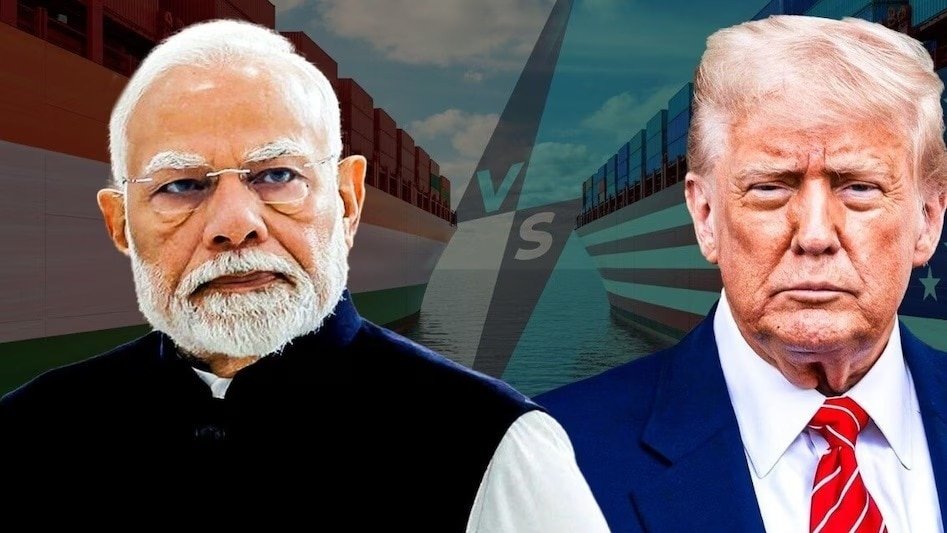

Prime Minister Narendra Modi’s decision to opt for virtual participation in the ASEAN 2025 summit in Kuala Lumpur instead of attending in person, citing Deepavali celebrations as the reason, has raised skepticism among opposition parties and diplomatic observers. They contend that the real motive behind this choice was strategic, aimed at avoiding a potentially uncomfortable interaction with US President Donald Trump.
The timing of this virtual attendance is considered delicate due to Trump’s imposition of 50% tariffs on Indian goods, sanctions on Russian oil suppliers crucial for India, and his public remarks criticizing nations engaging in business with America’s adversaries. With impending state elections in Bihar, Modi likely aimed to sidestep any public reprimand from Trump regarding India’s dealings with Russia or trade deficits.
While this decision may shield Modi from immediate challenges, it comes with significant diplomatic implications. China is leveraging Modi’s absence to bolster its dominance in the region, evident in its progress towards finalizing the ASEAN-China Free Trade Area 3.0 agreement and the burgeoning trade exceeding $900 billion between China and ASEAN. China’s Belt and Road projects are expanding in Southeast Asia, including ventures in Laos and Malaysia.
India’s economic ties with ASEAN, amounting to over $130 billion annually, serve as a vital counterbalance to Chinese influence. Modi’s advocacy for the Act East Policy since 2014 has positioned India as a democratic alternative to China’s economic diplomacy. However, Modi’s virtual presence may convey a concerning message to ASEAN nations, which carefully navigate relationships with major global powers.
Critics, such as the Congress party, accuse Modi of evading diplomatic engagements and evading Trump, pointing to his recent absence from the Gaza Peace Summit as a pattern. Although India’s foreign minister will represent the country adeptly, the essence of summit diplomacy lies in personal rapport among leaders. Each missed opportunity for interaction weakens these crucial bonds.
In the midst of Trump and Xi Jinping’s prominence at the Kuala Lumpur summit, India risks appearing reactive rather than proactive. In the realm of Asian diplomacy, absence carries weight, especially when rival nations are forging agreements and capturing moments for the media.