

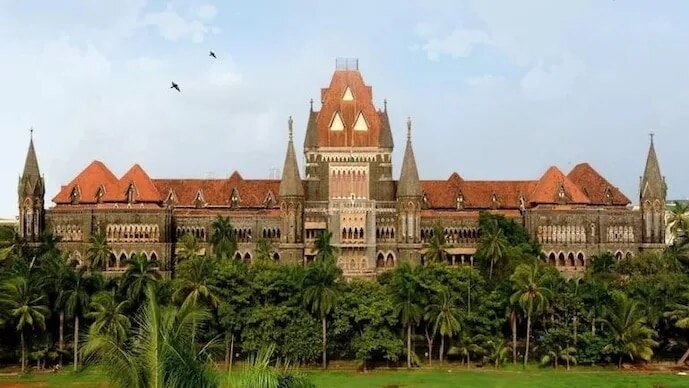

In a significant ruling, the Bombay High Court has determined that the Kolhapur Sessions Court overstepped its authority by reviewing its own decision to grant bail to Dr. Virendrasinh Tawade, the main suspect in the 2015 murder of Govind Pansare, a prominent Communist leader. Justice Shivkumar Dige of the circuit bench highlighted that the Sessions Judge acted improperly by revoking the bail, as it amounted to a review of their own previous order, which is not permissible. The High Court emphasized that given Tawade’s prior bail on the same charges, the Sessions Judge should not have revoked it.
Dr. Tawade, who had secured bail from the Kolhapur court in February 2018 after spending two years in custody, sought relief from the High Court when his bail was later canceled at the prosecution’s behest. The High Court’s ruling outlined the procedural history of the case, noting that after the State contested Tawade’s bail, the High Court allowed the prosecution to withdraw its cancellation plea with the option to file a fresh application before the Sessions Court. Subsequently, the prosecution submitted a new plea on July 16, 2018, citing a witness statement from September 2018 that purportedly detailed Tawade’s involvement as a conspirator.
During the proceedings, Tawade’s legal team, comprising advocates Pushpa Ganediwala, Virendra Ichalkaranjikar, Siddh Vidya, and SD Khot, argued that similar allegations had been made by other witnesses earlier, yet bail had been granted. They also highlighted that other co-accused individuals with comparable roles had already been released on bail.
Following the Sessions Court’s decision to cancel Tawade’s bail, he was back in custody for over a year, a move that the High Court has now deemed impermissible. Despite arguments by the Additional Public Prosecutor Veera Shinde and advocates Amit Singh and Payal Shah, representing the Pansare family, asserting Tawade’s presence in Kolhapur during the murder and referencing the 2018 Nalasopara arms haul case for new evidence linking Tawade to a broader conspiracy, Justice Dige rejected these claims.
The High Court clarified that bail could only be revoked if the accused misused their freedom, violated bail terms, obtained bail ignorantly of legal restrictions, or through fraudulent means. In Tawade’s case, none of these criteria were met. The judge emphasized that while bail could be canceled due to new developments or changed circumstances, the mere introduction of a witness statement years after the incident was insufficient grounds for bail revocation.
The Pansare murder case has seen four charge-sheets thus far. The prosecution alleged Tawade’s close association with fugitive Sarang Akolkar and referenced email exchanges from 2009 as evidence of their coordination. However, the High Court noted substantial gaps in the prosecution’s case, including a significant time lapse between the emails and the murder, and conflicting eyewitness testimonies regarding the actual perpetrator.
This ruling represents a setback for the prosecution in the long-standing case, underscoring the judiciary’s position that lower courts should not review their bail decisions without substantial new circumstances.