

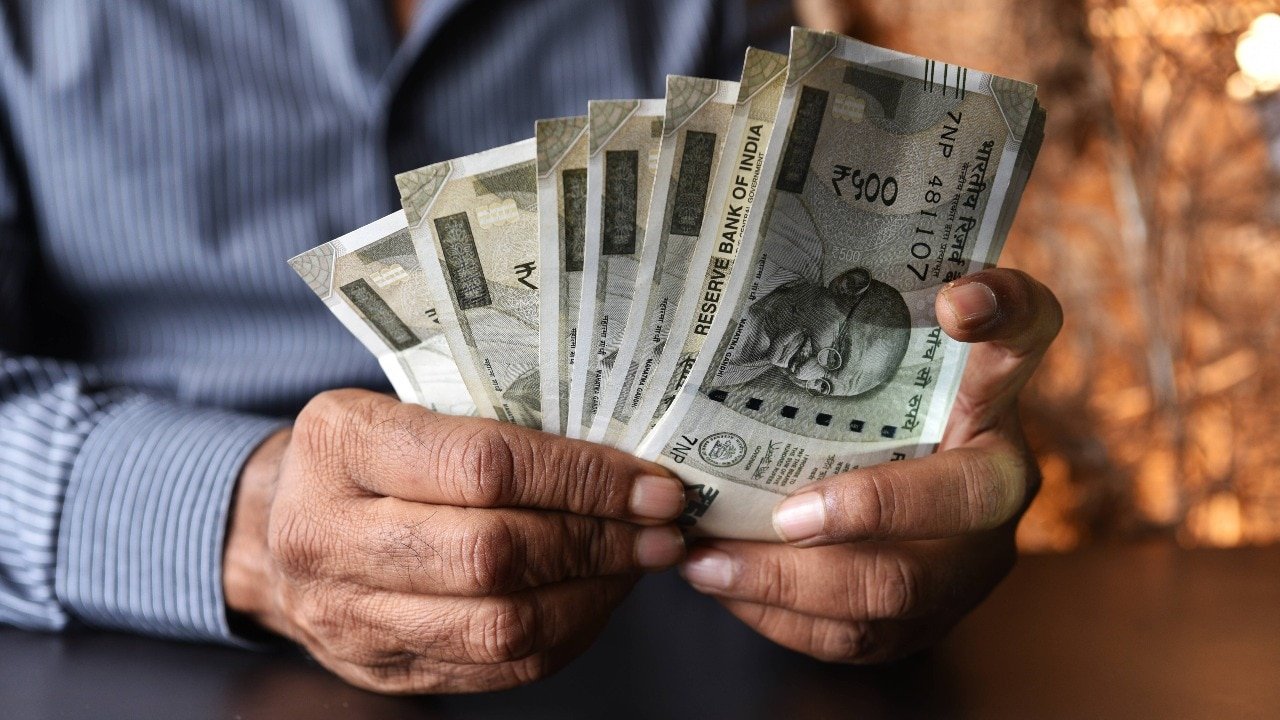

In various aspects of life, contradictions are prevalent, showcasing a tapestry of paradoxes. This phenomenon is evident in the lifestyles of Gen Z and millennials in India. Despite India’s strong economic growth, the youth struggle to attain financial prosperity, even though they lead lifestyles akin to the affluent. The Gen Z and millennials, constituting around 600 million individuals, drive nearly half of the country’s consumer spending, playing a pivotal role in India’s consumption surge. However, their financial habits reflect a conflict between immediate gratification and long-term security, commonly referred to as “lifestyle creep.”
The roots of this phenomenon stem from a combination of cyclical and structural factors. The post-COVID spending surge, witnessed globally, has spurred pent-up demand, while the rise of neoliberal consumerism in the Indian economy since the early 2000s has become a significant structural influence. Additionally, debt-fueled consumerism characterizes the spending patterns of the youth in India. Factors like “FOMO” (fear of missing out) and “YOLO” (you only live once) prompt present-focused indulgence, further exacerbated by recent GST revisions, intensifying the spending behaviors of millennials and Gen Z.
Following the disruptions caused by the COVID-19 pandemic, Indian households experienced a surge in savings, reaching a record 22.8% in the financial year 2021 due to enforced frugality during lockdowns. This trend shifted as restrictions eased, leading to a ‘revenge consumption’ boom, with private consumption surpassing pre-pandemic levels by late 2022. Urban youth notably drove the consumption of e-commerce and premium goods, as deferred desires for travel, gadgets, and experiences were unleashed post-social isolation and anxiety.
For instance, Gen Z and millennials embraced “YOLO” spending, indulging in international concerts and experiences, often financed through easy monthly installments. The prioritization of experiences over material possessions, with solo trips surging to 84% in 2024, accounted for a significant portion of total spending in the economy that year. This post-COVID dynamic transitioned from temporary relief to a habitual pattern, where income increments are channeled towards lifestyle enhancements rather than savings or investments for future security.
The era of neoliberal consumerism post-1991, marked by globalization and privatization, propelled GDP growth but also entrenched lifestyle creep at a foundational level. Increasing financialization and wage suppression have pushed young individuals to rely on credit for aspirational living. With the top 10% controlling a significant portion of income, stagnant real wages for youth in gig economies have led to ostentatious consumption habits, with discretionary spending expected to double by 2030.
In September 2025, GST reforms were introduced to stimulate consumption, aiming to ease the burden on the general populace. However, there is a prevailing belief that these reforms may further fuel the existing lifestyle creep among Indian youth. The fall in prices resulting from the GST revision is anticipated to boost consumers’ real incomes, potentially amplifying youth demand and perpetuating the trend of lifestyle creep.
India’s economic growth masks the pitfalls of lifestyle creep among the youth, driven by post-COVID surges, neoliberal structures, and GST adjustments that prioritize spending over saving. To cultivate wealth and financial stability, policies should emphasize financial education and sustainability to ensure long-term growth benefits for the populace.