

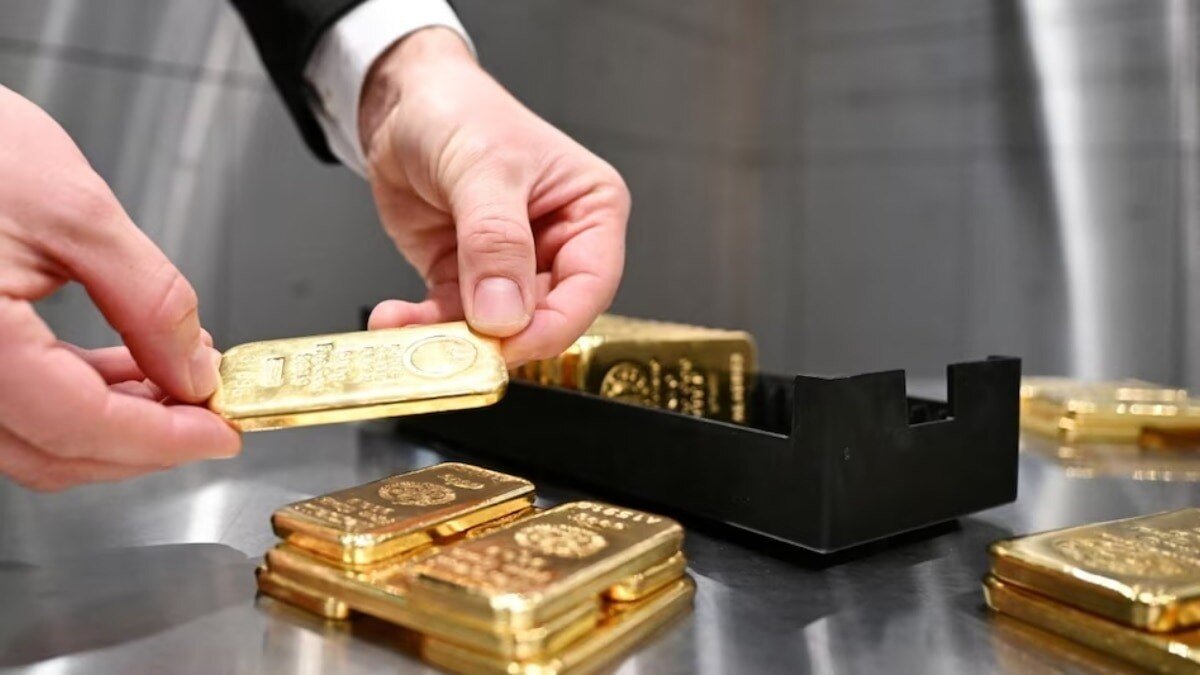

Gold prices are maintaining their position close to all-time highs as investors and traders are closely monitoring global signals and inflation figures for potential market movements. This week, December gold futures on the Multi Commodity Exchange (MCX) held steady around Rs 1,21,000 per 10 grams, while international spot prices on Comex remained above $4,000 per ounce. The precious metal has been trading within a narrow range following a strong rally in recent months, primarily fueled by safe-haven demand, a weaker US dollar, and robust buying from central banks. Analysts suggest a cautious yet optimistic outlook in the short term due to ongoing support from both global and domestic macroeconomic factors.
The resilience of gold amidst signs of fatigue in other asset classes can be attributed to the weakening US dollar, which has approached the 100 mark on the dollar index. A decline in the dollar’s strength makes gold more affordable for international investors, typically leading to increased demand. Additionally, geopolitical uncertainties and worries about global economic growth have inclined investors towards safe-haven assets like gold. Domestically, the weakening Indian rupee, now hovering around 84 per US dollar, has also contributed to the elevated local gold prices as India largely relies on gold imports.
Jateen Trivedi, VP Research Analyst at LKP Securities, anticipates gold to remain range-bound in the near term as traders await further clarity from central banks. Trivedi stated, “Gold prices remained stable around Rs 1,21,000 per 10 grams this week, supported by a weak US dollar and firm Comex prices above $4,000. The weak rupee further bolstered domestic prices. In the upcoming week, market participants will closely monitor Federal Reserve speeches and CPI data from the US and India. Gold is expected to exhibit range-bound and volatile behavior between Rs 1,18,500 and Rs 1,24,000.”
Investors are keenly observing US inflation data and statements from Federal Reserve officials to gauge potential changes in interest rates in the upcoming months. Lower interest rates typically bolster gold prices by reducing the opportunity cost of holding non-interest-bearing assets. In India, focus will also shift to consumer inflation data and the demand during the wedding season, which traditionally boosts gold purchases. Despite the high prices, jewellers report steady foot traffic during the ongoing festive and marriage season.
Analysts suggest that gold is likely to remain within the current range of Rs 1,18,500–1,24,000, barring any significant global shocks. While short-term traders may prefer to wait for a price dip, long-term investors view gold as a hedge against uncertainty and inflation. With global markets on edge and uncertainties surrounding the dollar’s trajectory, gold’s appeal is expected to persist, though investors should be prepared for some volatility before the next upward movement.