

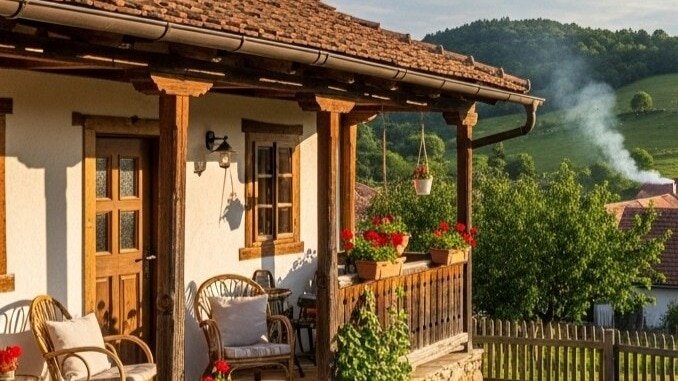

City life in India is becoming more overwhelming, prompting a rising number of individuals to seek respite in tranquil living spaces surrounded by nature. This shift is driving significant growth in the organized farmstay market across the country.
A recent study by Axon Developers reveals that the current value of India’s organized farmstay market stands at Rs 16,100 crore in 2025 and is forecasted to exceed Rs 63,000 crore by 2029, reflecting an impressive annual growth rate of nearly 41%. Presently, there are approximately 17,700 farmstay units spread across over 150 projects in India, projected to increase to 46,000 units by 2029, covering an estimated 37,050 acres, up from the current 11,140 acres.
The southern region leads the way with half of India’s organized farmstays located there, followed by the western region contributing around 29% to the market. The remaining share comes from the northern and eastern regions as per the report.
Ankit Kansal, Managing Director of Axon Developers, notes the increasing urban fatigue driving people towards farmstays to seek wellness, cleaner environments, and more breathing space. The growing interest in farmstays reflects a societal shift towards a healthier and more mindful lifestyle amidst the stress of city living.
Farmstays are gaining popularity not only for short getaways, family vacations, and corporate retreats but also as primary residences for some individuals seeking a permanent escape to nature. The rise of remote and hybrid working arrangements has facilitated this transition, allowing professionals to live, work, and unwind in picturesque rural settings.
Various farmstay destinations near major Indian cities such as Nandi Hills (near Bengaluru), Panvel, Karjat, Alibaug (near Mumbai), NH-8, and Naugaon (near NCR) are witnessing increased demand for managed farmstay projects, offering comfort and convenience to visitors.
In addition to lifestyle benefits, farmstays are attracting investors as property owners rent out their spaces for weekend getaways, staycations, and corporate functions, generating consistent income. With the surge in wellness tourism, eco-conscious living, and flexible work trends, India’s organized farmstay market appears poised for sustained growth, fostering a closer connection to nature and a retreat from urban chaos.