

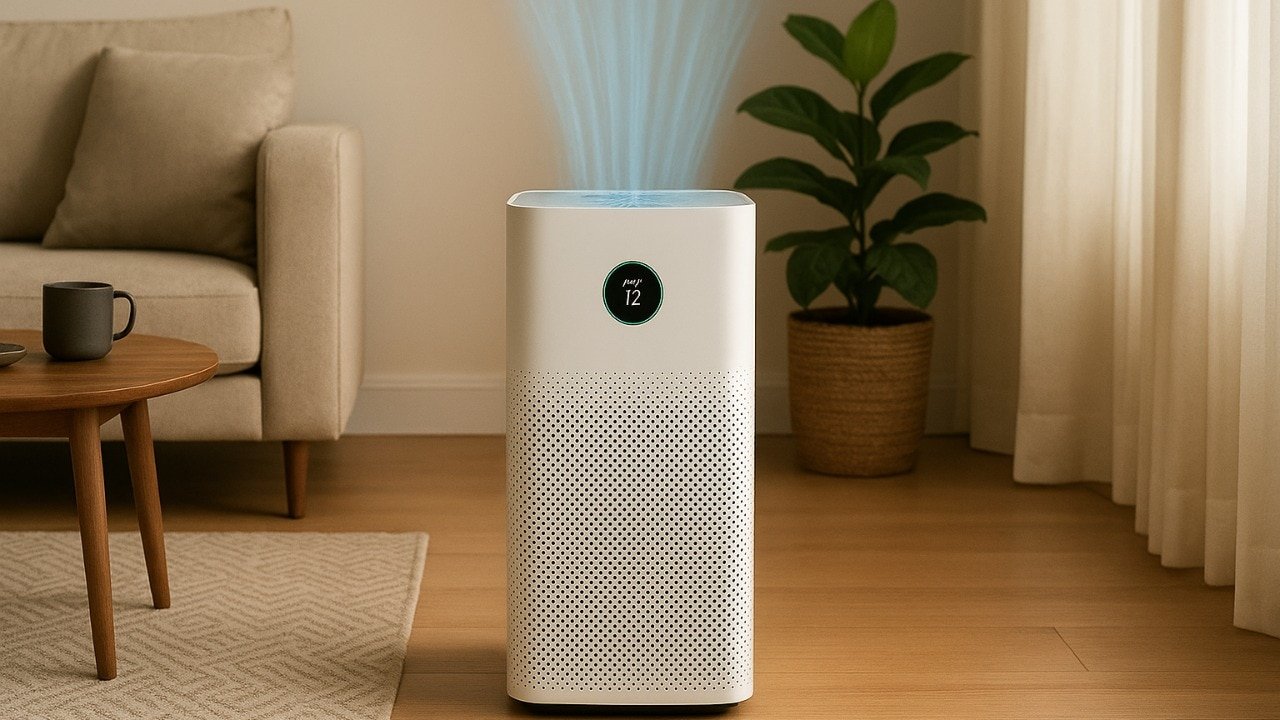

As Delhi-NCR descends into its customary winter haze, the Air Quality Index (AQI) has reached dangerous levels once again. The sky has taken on a yellowish, misty hue, and stepping outside exposes one to the palpable smog. During this season, an air purifier is no longer a luxury but a necessity for urban residents. However, with numerous brands in the market claiming to purify indoor air and eliminate 99.9% of pollutants, navigating through the technical terms can be perplexing.
As the AQI surpasses the ‘severe’ threshold, selecting an effective air purifier is crucial. Opt for a machine that not only looks sleek but is potent, efficient, and capable of delivering clean air. Here are five essential factors to consider before purchasing an air purifier for improved breathing in this season.
### Filtration is Key
The effectiveness of any air purifier lies in its filters, making it a non-negotiable aspect. In metropolitan areas like Delhi-NCR, where air quality frequently falls into the hazardous zone, a purifier equipped with a True HEPA filter – specifically H13 or H14 grade – is essential. These high-efficiency filters can capture a significant percentage of airborne particles, even those as small as 0.1 microns. Certified True HEPA filters can eliminate a minimum of 99.97% of particles as tiny as 0.3 microns, including PM2.5.
PM2.5 refers to particles in the air that are 2.5 micrometers or smaller. Due to their minuscule size, these particles can easily be inhaled, allowing dust, soot, and smoke particles to penetrate deeply into the lungs, posing severe health hazards. HEPA filters aid in removing these pollutants from indoor air. However, caution is advised against terms like “HEPA-type” or “HEPA-like,” as they are marketing gimmicks that do not meet the necessary filtration standards.
In addition to HEPA filters, ensure that your purifier includes a robust activated carbon filter. Delhi’s pollution comprises not only dust and smoke but also hazardous gases such as nitrogen dioxide and volatile organic compounds (VOCs) from industrial activities, vehicles, and construction. A quality carbon filter can trap these gases and odors. In essence, seek a purifier offering a multi-stage filtration system, encompassing a pre-filter for larger particles, True HEPA for fine pollutants, and activated carbon for gases.
### Seek a Potent Appliance
While filtration is paramount, a potent machine that can swiftly cleanse the air is equally crucial. This is where the Clean Air Delivery Rate (CADR) comes into play. CADR indicates the volume of clean air a purifier can generate in an hour, typically measured in cubic meters per hour. The higher the CADR, the more efficiently and rapidly your purifier operates.
For a standard room of 150–200 square feet, opt for a purifier with a minimum CADR of 250 cubic meters per hour. For larger spaces such as living rooms, aim for 400 cubic meters per hour or higher, or contemplate using two purifiers for enhanced coverage.
Additionally, consider the Air Changes per Hour (ACH), revealing how many times the purifier can filter all the air in your room within an hour. Target 4–5 ACH for regular use and 6–8 ACH if any household member suffers from respiratory ailments or allergies.
### Efficiency and Maintenance Considerations
Air purifiers necessitate ongoing maintenance in cities like Delhi and Mumbai, where pollution levels remain high throughout the year. Filters can clog within 3–6 months, contrary to manufacturers’ claims of a 12-month lifespan. Prior to purchase, assess the cost and availability of replacement filters. Verify if the brand provides post-sales service and warranty coverage, given that purifiers typically run continuously during the smog season.
Energy efficiency is another vital aspect to bear in mind. While modern purifiers are designed to be energy-efficient, continuous operation can lead to increased electricity costs, especially in larger homes requiring multiple filters. Opt for an air purifier that balances performance with reasonable power consumption to prevent a surge in your electricity bills.
### Embrace Smart Features
In addition to filters and power, smart features can enhance convenience significantly. Explore air purifiers with real-time AQI displays and PM2.5 sensors. These displays offer insights into your air quality and the purifier’s efficacy.
Features like app controls, timers, fan-speed adjustments, and sleep modes can prove particularly advantageous. While these features do not directly impact air quality, they enhance the purifier’s usability.
### Steer Clear of Ozone-Producing Models
Certain air purifiers utilize ionizers or ozonators to eliminate odors from the air. However, these models can emit ozone, a harmful gas that can irritate the lungs, trigger asthma attacks, and exacerb