

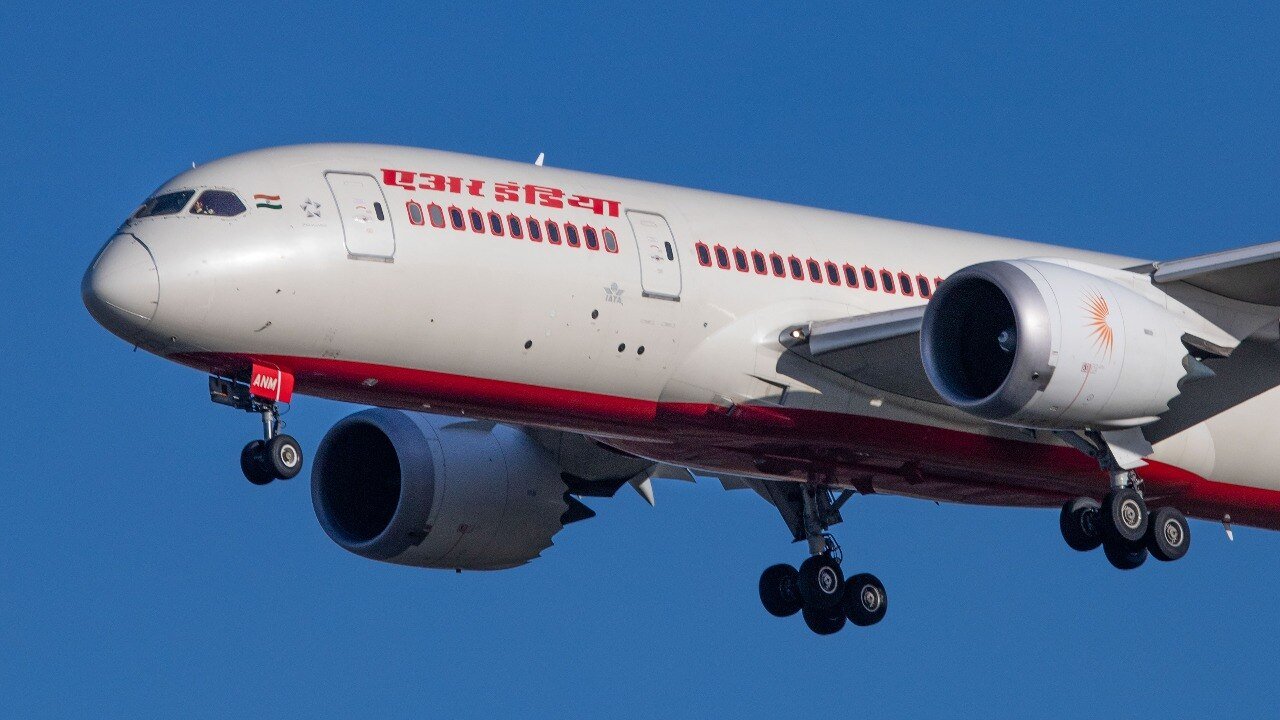

An internal investigation by Air India revealed significant failures that led to one of its Airbus A320 planes operating eight commercial flights without the required Airworthiness Review Certificate (ARC), endangering the lives of hundreds of passengers. The flights took place between New Delhi, Bengaluru, Mumbai, and Hyderabad on November 24-25.
The investigation uncovered that engineers and pilots neglected to verify the aircraft’s documents, highlighting the necessity for enhanced compliance protocols. Critical information was not adequately communicated to all relevant parties, resulting in missed opportunities for intervention, as stated in the internal report dated December 6.
The report emphasized the immediate need for process discipline, improved communication, and a stronger compliance culture within the organization. Signed by Chief Operations Officer Captain Basil Kwauk, the findings have been submitted to Indian aviation authorities but have not been publicly disclosed.
This incident comes on the heels of previous safety concerns for Air India, including a fatal Boeing Dreamliner crash and warnings for operational oversights such as running planes without proper checks and falsifying compliance records. Following the Airbus incident, Air India took prompt action, suspending some individuals, while the Directorate General of Civil Aviation (DGCA) ordered the grounding of the aircraft for investigation.
Air India, jointly owned by India’s Tata Group and Singapore Airlines, expressed regret over the incident and assured proactive reporting to the DGCA. The airline has implemented immediate corrective measures to prevent future occurrences and is committed to strengthening its compliance systems.
Pilots have been cautioned about being vigilant as an ARC violation can result in penalties of up to 10 million rupees ($111,201). The certificate is issued annually after a thorough review of aircraft compliance with airworthiness standards, including physical inspections by DGCA officials.
The investigation found that aircraft VT-TQN operated multiple flights with an expired ARC due to organizational and process deficiencies. The report also pointed out that necessary checks were overlooked, engines were changed without proper documentation, and pilots failed to adhere to standard operating procedures.
In response, Air India’s Director Flight Operations emphasized the importance of following company policies and SOPs in a communication to all pilots. Any non-compliance with procedures may lead to disciplinary actions, as reiterated in the internal email on December 1.