


Pakistan assuming leadership of the Shanghai Cooperation Organization’s Regional Anti-Terrorist Structure (RATS) recently sparked significant irony. Analyst Siddhant Kishore pointed out the paradox in which a known state sponsor of terrorism now oversees a regional network aimed at combating it. Despite Pakistan’s public anti-terror role, Kishore highlighted that its militant infrastructure remains active, driven by a strategic doctrine to weaken India through various means.
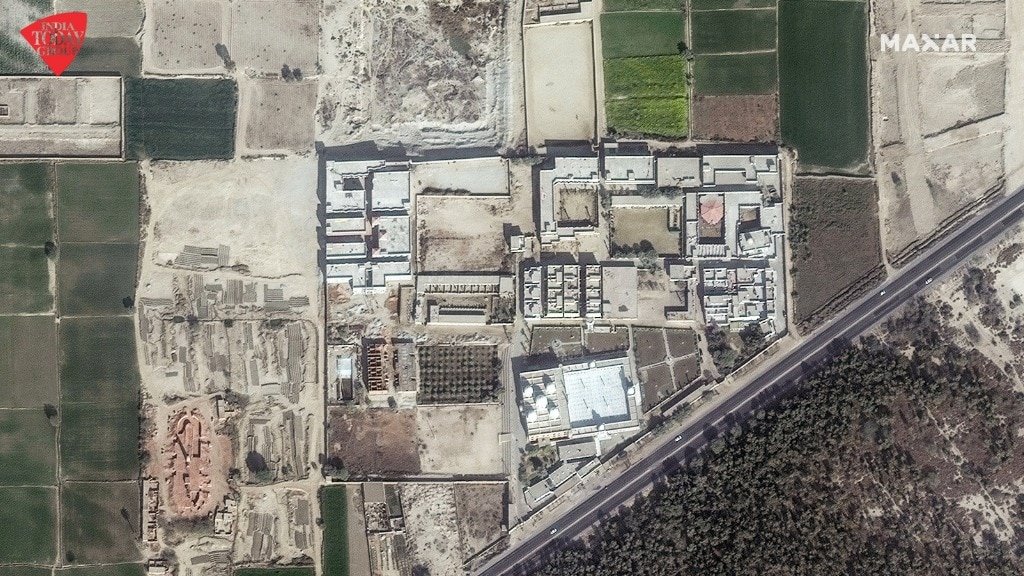
Kishore’s analysis emphasized that groups like Jaish-e-Mohammad (JeM) and Lashkar-e-Taiba (LeT) serve not only ideological but also strategic purposes within Pakistan’s military tactics. Despite India’s Operation Sindoor targeting JeM infrastructure post the Pahalgam terror attack, Kishore revealed that the group persists in planning operations, maintaining training facilities, and enhancing fundraising mechanisms.
A concerning development is JeM’s intention to introduce a women’s jihad program called Jamat-ul-Mominat, reflecting tactics employed by other extremist groups. Additionally, Kishore pointed out a generational shift in terror leadership, citing examples like the defiance of extradition calls by the son of Lashkar-e-Taiba leader Hafiz Saeed.
Kishore also raised alarm about Pakistan’s evolving terror financing methods through digital channels, exploiting mobile wallets and e-payment platforms to bypass regulations. He cautioned that despite Pakistan exiting the FATF’s Grey List in 2022, its financial systems remain vulnerable to exploitation by militants.
The analyst warned that Pakistan’s growing alignment with the United States could embolden its military leadership, potentially reinforcing a culture of dual policies, cooperation internationally, and complicity domestically. Kishore concluded by stressing the need for Pakistan to translate its rhetoric into concrete actions to genuinely contribute to regional counterterrorism efforts, posing a critical question to the international community about Pakistan’s true intentions.