

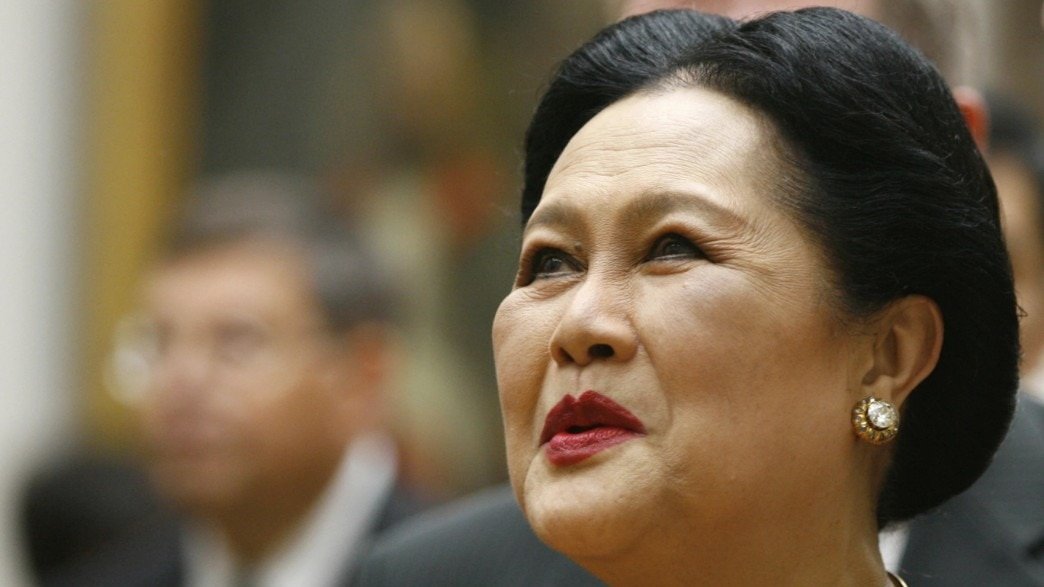

Thailand’s Queen Mother Sirikit, known for her efforts in supporting rural communities, preserving traditional crafts, and advocating for environmental conservation, passed away at the age of 93, as announced by the Royal Household Bureau. She died in a Bangkok hospital after battling a blood infection since October 17, despite receiving extensive medical care. In recent years, her public appearances had decreased due to declining health, as reported by the Associated Press.
Queen Sirikit, the wife of the late King Bhumibol Adulyadej, who reigned for seven decades until his death in 2016, held a significant position in Thailand, although often in the shadows of her husband and son. Celebrated as “Mother’s Day” on August 12, her birthday, she was widely respected and loved, with her image displayed in homes, offices, and temples throughout the country.
Her legacy encompassed a wide range of activities, from assisting Cambodian refugees and initiating projects for rural women’s economic empowerment to advocating for forest conservation in Thailand, earning her the title of “The Green Queen.” Despite her positive contributions, her role faced scrutiny amid Thailand’s political unrest. Her attendance at a protester’s funeral raised questions about her involvement in the country’s political landscape.
Born as Sirikit Kitiyakara on August 12, 1932, in Bangkok, she hailed from a noble family with ties to previous rulers of the Chakri dynasty. Educated in wartime Bangkok and later in France, where she met King Bhumibol, she played a crucial role in his life after his car accident, leading to their marriage in 1950. The couple, parents to four children, transitioned from global goodwill ambassadors to focusing on internal issues such as rural poverty and insurgency in the 1970s.
Queen Sirikit’s establishment of the SUPPORT Foundation in 1976 aimed to empower villagers through training in traditional crafts like silk weaving and jewelry making, fostering economic opportunities while safeguarding Thailand’s cultural heritage. Her commitment to serving communities, evident in her numerous visits to villages, contributed significantly to her enduring legacy.