

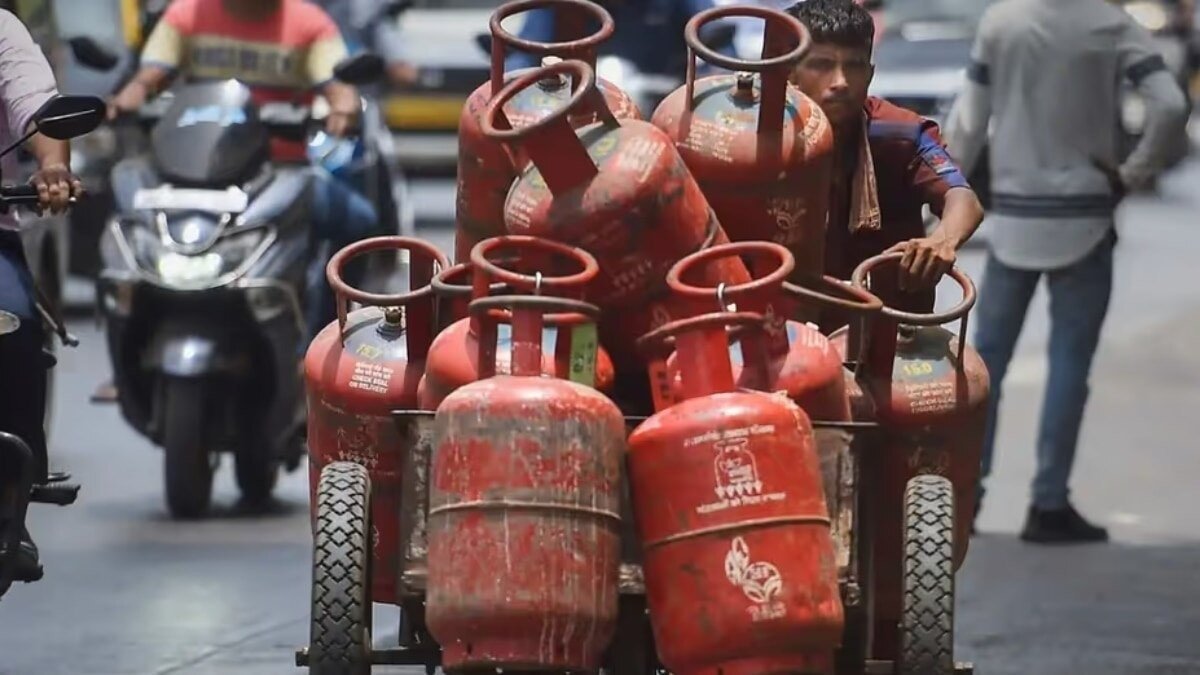

India has recently inked its inaugural structured, extended contract to procure liquefied petroleum gas (LPG) from the United States. The government views this move as a way to enhance the nation’s energy security and broaden its sources of supply amidst increasing global market volatility.
On Monday, Union Petroleum and Natural Gas Minister Hardeep Singh Puri disclosed that state-owned oil firms have finalized a one-year agreement to import approximately 2.2 million tonnes per annum (MTPA) of LPG from the US Gulf Coast for the 2026 contract cycle. This quantity represents almost 10% of India’s yearly LPG imports, signifying a significant shift in the country’s procurement strategy.
This deal marks India’s first structured LPG procurement pact with the US, pegged to Mont Belvieu, the principal pricing hub for LPG in the US. A collaborative team comprising officials from Indian Oil Corporation (IOC), Bharat Petroleum Corporation Ltd (BPCL), and Hindustan Petroleum Corporation Ltd (HPCL) journeyed to the US in recent months to negotiate with major American LPG producers.
Puri described this agreement as a historic milestone, emphasizing that one of the world’s rapidly growing LPG markets is now officially embracing US supplies. He stated, “In our efforts to ensure secure and affordable LPG for Indian citizens, we have been broadening our sourcing. This agreement signifies a significant advancement in that direction.”
India ranks as the world’s second-largest consumer of LPG, driven by swift domestic adoption and the ongoing expansion of the Ujjwala Yojana initiative, which offers subsidized LPG connections to low-income households. Presently, India imports over half of its LPG requirements, primarily sourced from West Asian markets.
The decision to procure a substantial portion from the US forms part of New Delhi’s strategy to diminish reliance on conventional suppliers, enhance supply stability, and safeguard against abrupt price fluctuations in the global market.
Despite global LPG prices surging by over 60% last year, Puri highlighted that the government ensured Ujjwala beneficiaries continued to pay only Rs 500–550 per cylinder, while actual costs reached Rs 1,100. The government absorbed the excess costs, expending over Rs 40,000 crore to shield consumers from price shocks.
The minister indicated that the US agreement is another stride toward guaranteeing “secure, affordable, and dependable LPG supplies” for Indian households. It is anticipated that this agreement will bolster India-US energy cooperation and potentially lead to long-term supply contracts in the future. Diversifying procurement away from a single geographic region reduces supply-chain risks and enhances pricing stability for Indian oil marketing companies.
As India’s LPG market expands, particularly in rural areas, the government asserts that further diversification of supply sources will remain a top priority.