

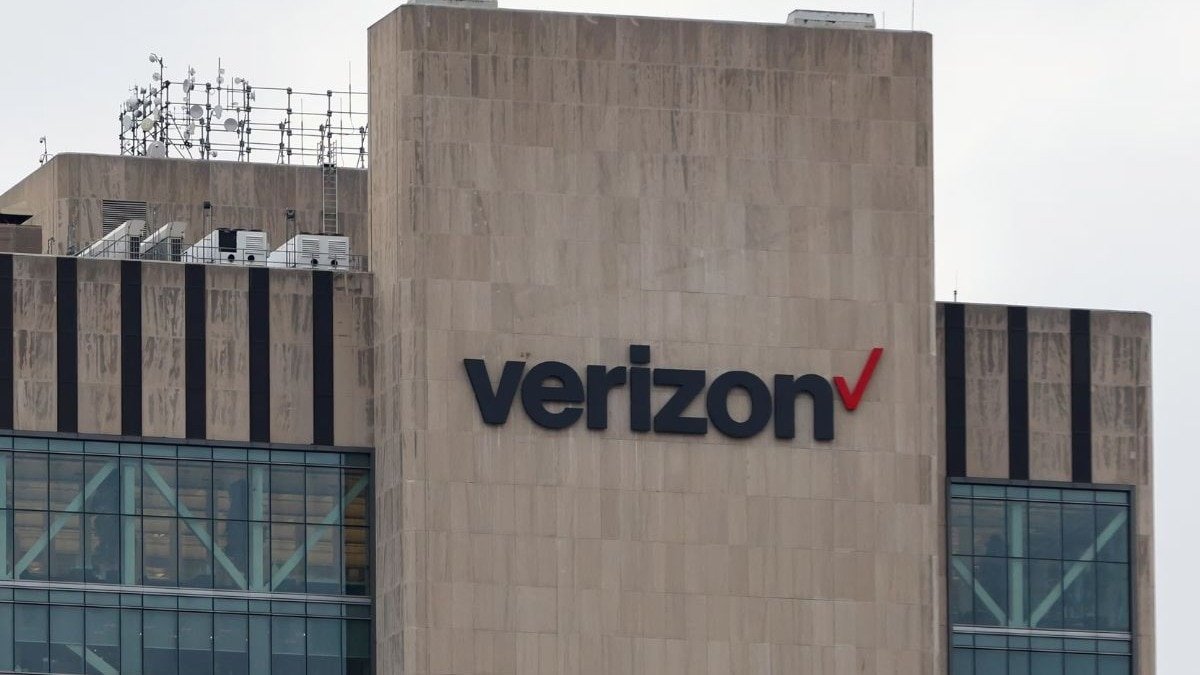

Verizon Communications is gearing up for a significant workforce reduction in what could be one of its largest layoffs ever. Reports suggest that as many as 15,000 employees at the American telecommunications giant may be affected by the upcoming downsizing. The company’s new CEO, Dan Schulman, has outlined an ambitious strategy to boost revenue and reclaim market share following a period of losses and declining subscriber numbers.
With approximately 100,000 employees currently on staff, Verizon is looking to restructure, potentially impacting around 15 percent of its workforce. The move comes in response to three consecutive quarters of subscriber declines and increased competition in the wireless and home internet sectors. Schulman, who assumed the CEO role recently after leading PayPal, considers this a crucial moment for the company’s future.
The layoffs are anticipated to mainly impact non-unionized employees, while unionized roles and certain retail positions are expected to be relatively safeguarded. In addition to job cuts, Verizon plans to convert 180–200 company-owned stores into franchises to lower operating costs while maintaining a strong retail presence nationwide.
Verizon’s restructuring efforts come as the company trails behind competitors following disappointing performance over consecutive quarters. The CEO is spearheading an aggressive turnaround strategy focused on cost reduction. Schulman emphasizes the need for Verizon to streamline operations, reduce expenses, and enhance efficiency.
Schulman has emphasized a culture of continuous cost reductions and operational discipline within the company. Transitioning to franchise-operated stores is a key part of this strategy, providing Verizon with more flexibility and cost savings while managing a large network of retail outlets.
The broader reorganization at Verizon is expected to commence as early as next week, according to reports. Alongside workforce reductions and retail changes, Schulman is prioritizing customer experience, financial discipline, and long-term stability. The company aims to optimize value, lower service costs, and enhance capital allocation to position itself for a more competitive and financially robust future.