

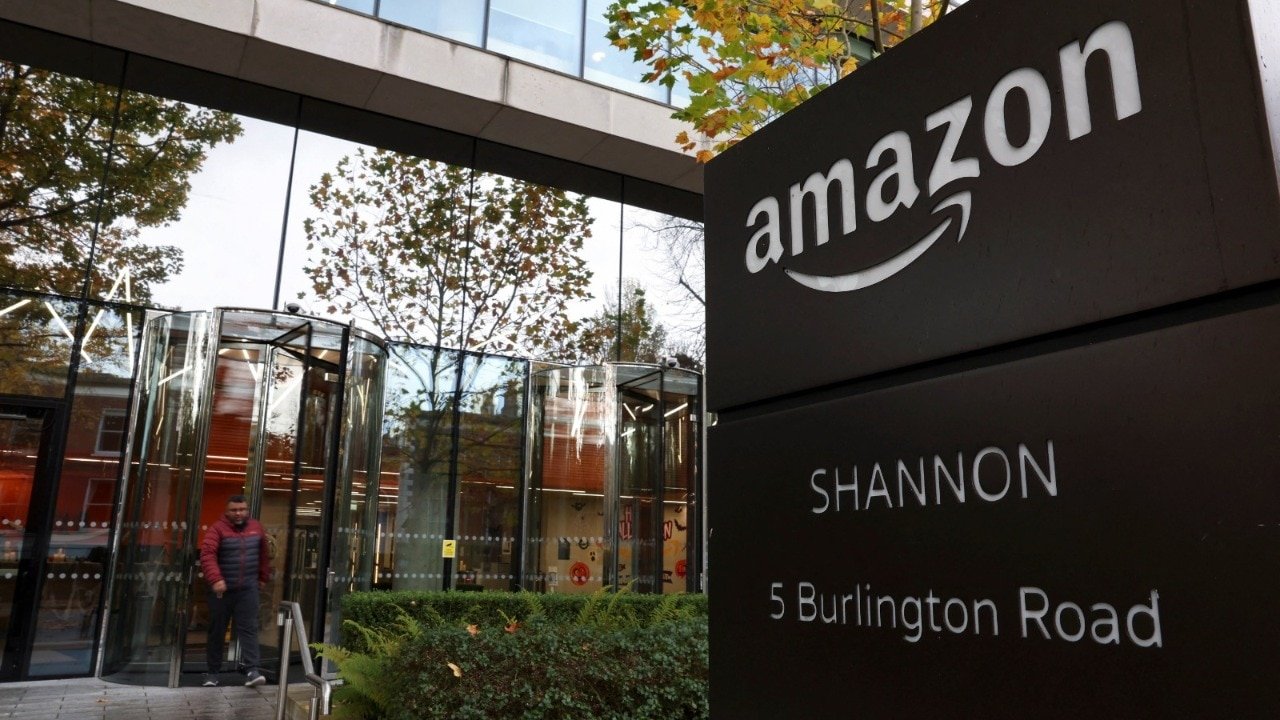

Amazon’s recent decision to eliminate around 14,000 corporate positions has sparked discussions on the relevance of large workforces in an era dominated by artificial intelligence (AI) and automation. The company is not downsizing its operations but rather focusing on investing in cloud and AI infrastructure, expanding data center capabilities, and constructing a $10 billion AI-centric campus in North Carolina.
The job cuts are aimed at internal management layers and coordination roles that have traditionally been vital to corporate functions. Sonica Aron, Founder and Managing Partner at Marching Sheep, emphasized that this shift is more about enhancing efficiency than reducing headcount. She highlighted that the roles being eliminated are often centered on repetitive tasks and slow administrative processes, which are now being automated by AI tools.
Aron cautioned against interpreting these layoffs as a signal of the end of large workforces, noting that evolving consumption patterns will continue to necessitate diverse products and services, requiring skilled individuals to deliver them. She emphasized the importance of aligning skills, knowledge, application, and attitude within organizations undergoing restructuring.
As companies redefine their operational frameworks, there will be a shift towards more flexible, problem-solving roles rather than strictly task-based job descriptions. Additionally, the focus on skills will transition towards human-centric abilities such as emotional intelligence, adaptability, and collaboration across various teams. Employment models are also evolving towards hybrid work arrangements and project-based roles, emphasizing the need for organizations to offer growth opportunities and stability to employees in non-traditional setups.
Aron highlighted that the changing nature of work, exemplified by the Amazon layoffs, necessitates individuals to adapt and acquire new skills to remain relevant. She emphasized the importance of empathy in leadership during this transitional period, stating that workplaces that balance efficiency with empathy will succeed not just in numbers but in spirit.